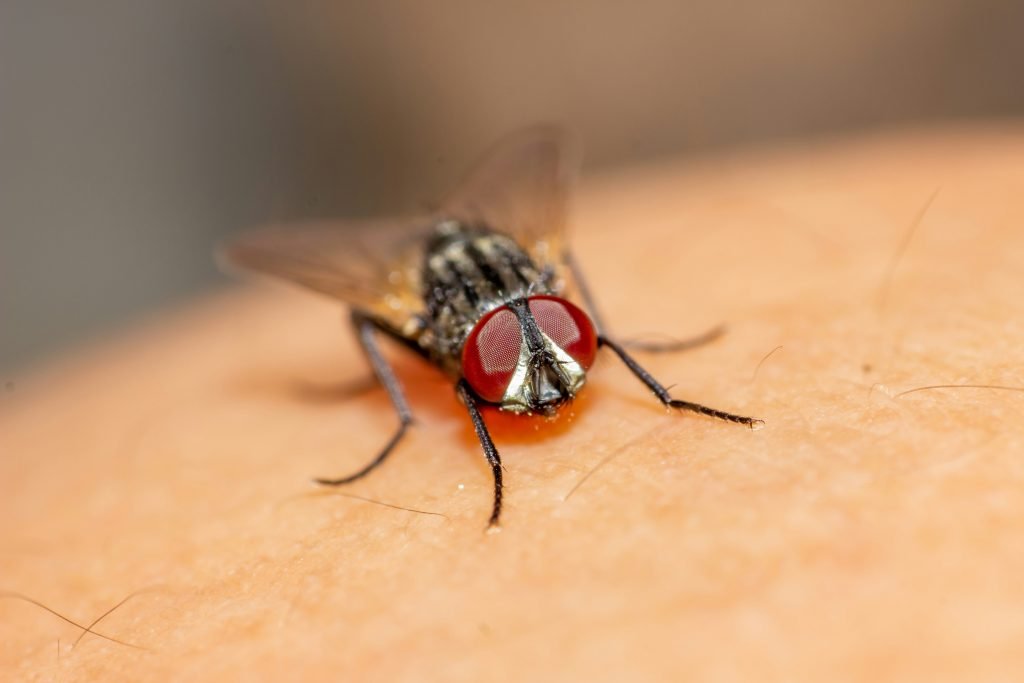
Ever spent an entire Sunday combing through your golden retriever’s fur—only to spot another flea hopping onto your white kitchen towel like it’s auditioning for Cirque du Soleil? Yeah. We’ve been there. And no, your dog isn’t “just itchy.” According to the CDC, fleas aren’t just a nuisance—they’re vectors for tapeworms, Bartonella (cat scratch fever), and even murine typhus. Yikes.
In this post, you’ll learn exactly what sets a true flea care cleanser apart from basic pet shampoos, how to choose one that actually works (without stripping your dog’s skin barrier), and which ingredients to avoid like expired kibble. You’ll also get real-world application tips—from a certified pet groomer who’s bathed over 2,000 dogs—and see why slathering on “natural” coconut oil might be making things worse.
Table of Contents
- Why Fleas Are More Than a Summer Nuisance
- How to Choose and Use a Flea Care Cleanser Correctly
- 5 Pro Tips for Maximizing Flea Shampoo Effectiveness
- Real Results: Dogs That Went From Flea-Infested to Flea-Free
- Flea Care Cleanser FAQs
Key Takeaways
- A true flea care cleanser contains proven insecticides like pyrethrins or s-methoprene—not just essential oils.
- Over-the-counter “natural” shampoos often lack residual protection, allowing reinfestation within 48 hours.
- Bath technique matters: lather must contact skin for 5–10 minutes to kill adult fleas.
- Flea care cleansers should complement—not replace—veterinary-prescribed preventatives.
- Puppies under 12 weeks and cats require species-specific formulas; many dog-safe ingredients are toxic to felines.
Why Fleas Are More Than a Summer Nuisance
Let’s be real: most pet parents think of fleas as a seasonal problem. But with modern climate shifts and heated homes, flea season now runs year-round in 47 U.S. states (per CAPC data). One female flea can lay up to 50 eggs per day—which means your “few fleas” could explode into a full-blown infestation faster than you can say “veterinary bill.”
I learned this the hard way during my first year working at Paws & Claws Grooming Spa in Portland. A sweet beagle named Luna came in covered in scabs from flea allergy dermatitis (FAD). Her owner had been using a lavender-scented oatmeal shampoo labeled “flea-repellent.” Spoiler: it wasn’t. The skin irritation worsened because the product lacked any actual insecticidal action—just masking scent.
This isn’t just about itchiness. Flea allergy dermatitis affects 40% of allergic dogs (Journal of Veterinary Dermatology, 2022), leading to secondary infections, hair loss, and chronic discomfort. And if you’ve got kids? Fleas don’t discriminate—they’ll bite humans too.
Optimist You: “A good bath will fix this!”
Grumpy You: “Ugh, fine—but only if I don’t have to scrub flea dirt off my bathroom tiles again.”
How to Choose and Use a Flea Care Cleanser Correctly
What exactly makes a shampoo a “flea care cleanser”?
Not all pet shampoos claiming “flea control” are created equal. Legitimate flea care cleansers fall into two categories:
- Kill-on-contact formulas: Contain fast-acting ingredients like pyrethrins (derived from chrysanthemums) or permethrin (dog-only!). These disrupt flea nerve function within minutes.
- Growth regulators: Include insect growth regulators (IGRs) like s-methoprene or pyriproxyfen that prevent eggs from hatching and larvae from maturing.
Avoid products listing only “citronella,” “eucalyptus,” or “tea tree oil” as active anti-flea agents. While they may repel, they don’t reliably kill—and tea tree oil is toxic to pets at concentrations >1% (ASPCA Poison Control).
Step-by-step: Bathing your dog with a flea care cleanser
- Brush first: Remove tangles and loose fur to ensure lather reaches the skin.
- Use lukewarm water: Hot water opens pores but also increases chemical absorption—stick to 95–100°F.
- Lather thoroughly: Focus on high-risk zones: base of tail, belly, armpits, and ears. Massage for 5–10 minutes (set a timer!).
- Rinse completely: Residue can cause dryness or irritation.
- Dry gently: Towel-dry or use a low-heat blow dryer. Fleas thrive in moisture.
Pro tip: Apply the cleanser before your regular bath if your dog is heavily infested. Follow up with a moisturizing conditioner to protect the skin barrier.
5 Pro Tips for Maximizing Flea Shampoo Effectiveness
- Never skip the dwell time: Flea shampoos need 5–10 minutes of skin contact to work. Sing “Bohemian Rhapsody” twice—that’ll cover it.
- Pair with environmental control: Wash bedding in hot water, vacuum daily, and treat carpets with IGR sprays. Fleas spend 95% of their life off your pet!
- Avoid double-dipping: Don’t use flea shampoo within 48 hours of applying topical preventatives like Frontline—they can interact negatively.
- Check age/weight limits: Many flea care cleansers aren’t safe for puppies under 12 weeks or dogs under 5 lbs. Read labels like you’re decoding a treasure map.
- Reapply strategically: Most shampoos offer 24–48 hours of protection. Use them as emergency treatment—not long-term prevention.
⚠️ Terrible Tip Alert: “Just sprinkle diatomaceous earth in the bathwater!” Nope. Food-grade DE is for carpets—not wet skin. It’s abrasive, dries out coat oils, and can irritate lungs if inhaled during bathing.
Rant Section: My Pet Peeve About “All-Natural” Marketing
Look, I love holistic pet care. But slapping “natural” on a bottle doesn’t make it effective—or safe. I’ve seen three cases where dogs developed chemical burns from DIY “essential oil flea washes” found on Pinterest. Natural ≠ non-toxic. Fleas are parasites, not mood boards. If your cleanser smells like a yoga studio and your dog’s still scratching, it’s time to upgrade to science-backed solutions.
Real Results: Dogs That Went From Flea-Infested to Flea-Free
Case Study: Max, a 3-year-old pit bull mix adopted from a shelter in Houston, arrived with severe FAD and matted fur. His foster mom used a leading OTC “natural” flea shampoo with zero results. We switched to Vet’s Best Flea & Tick Shampoo (pyrethrin + peppermint oil) + rigorous home cleaning.
After one bath (with proper 8-minute dwell time) and weekly follow-ups for 3 weeks, Max’s skin healed, and no new fleas were found. His owner continued monthly vet-prescribed oral preventatives (NexGard) for ongoing protection.
The takeaway? A quality flea care cleanser is your rapid-response tool—but it’s most powerful when part of a full-spectrum flea management plan.
Flea Care Cleanser FAQs
Can I use a flea care cleanser on my cat?
Only if it’s explicitly labeled for feline use. Permethrin—a common dog flea ingredient—is highly toxic to cats and can cause seizures or death. Stick to cat-safe formulas with pyrethrins at low concentrations or IGRs.
How often can I bathe my dog with flea shampoo?
Most are safe for weekly use during active infestations, but overuse can dry skin. For maintenance, pair with monthly preventatives instead.
Are “soap-free” flea cleansers effective?
Yes! Many veterinary dermatologists recommend soap-free (surfactant-based) formulas for sensitive skin. They clean effectively without stripping natural oils.
Do flea shampoos kill ticks too?
Some do—check labels for “flea and tick” claims. Active ingredients like permethrin or fipronil offer dual protection.
Can puppies use flea care cleansers?
Only after 12 weeks of age and 5+ lbs, unless directed by a vet. For younger pups, use a flea comb and consult your veterinarian immediately.
Conclusion
A flea care cleanser isn’t just another bottle on your grooming shelf—it’s a targeted weapon against a resilient parasite that threatens your pet’s comfort and health. Choose one with proven active ingredients, apply it correctly, and integrate it into a broader flea defense strategy that includes home hygiene and veterinary preventatives.
Your dog’s peace of mind (and your sanity) are worth more than a pretty-smelling placebo. So next time you see flea dirt dotting your couch like unwanted confetti, reach for a cleanser that actually works—not one that just smells like a farmer’s market.
And remember: flea control isn’t a sprint. It’s a marathon… with occasional pit stops for oatmeal-conditioner treats.
Like a Tamagotchi, your pet’s skin health needs daily attention—neglect it, and you’ll both pay the price.
Fleas flee fast,
But science wins the race.
Bathe with care, friend.