Ever spent 45 minutes lathering your pup in fancy shampoo—only to find them scratching like they’ve been sentenced to eternal flea court? You’re not imagining it. Over 68% of dog skin issues stem from using human or improperly formulated shampoos that disrupt the skin’s natural barrier (AVMA Grooming Guidelines, 2023). The culprit? Often, a wildly off-kilter pH.
If you’ve ever thought, “Wait—isn’t all pet shampoo basically the same?”—bless your heart. But nope. And that’s why we’re diving deep into the world of pH-balanced coat baths: what they are, why your dog desperately needs one, and how to pick the real deal (not just another marketing gimmick in a cute bottle).
In this guide, you’ll learn:
- Why canine skin pH is *nothing* like human skin
- How to spot a truly pH-balanced shampoo (hint: labels lie)
- My grueling lesson with Luna the Labrador after using baby shampoo “just once”
- 5 vet-recommended formulas that actually work
Table of Contents
- Why Does pH Even Matter for Dog Shampoo?
- How to Choose a Genuine pH-Balanced Coat Bath
- Best Practices for Bath Time Success
- Real Results: Case Studies from My Grooming Studio
- FAQs About pH-Balanced Coat Baths
Key Takeaways
- Dog skin has a neutral-to-slightly-alkaline pH (6.2–7.4), unlike human skin (4.5–5.5).
- Using human shampoo strips natural oils, leading to dryness, irritation, and infections.
- True pH-balanced shampoos list their pH range on the label or via manufacturer support.
- Rinse thoroughly—residue is just as damaging as wrong pH.
- Frequency matters: Most dogs only need a bath every 4–6 weeks unless medically indicated.
Why Does pH Even Matter for Dog Shampoo?
Let’s get microscopic. Your dog’s skin isn’t just fur over meat—it’s a living, breathing ecosystem protected by an “acid mantle,” a thin film that guards against bacteria, fungi, allergens, and moisture loss. This shield thrives at a pH between 6.2 and 7.4, per research from the Journal of Veterinary Dermatology. Human skin? Acidic as a lemon wedge—around 4.5 to 5.5.
I learned this the hard way. One rainy Tuesday, I ran out of dog shampoo before Luna’s post-hike mud bath. “Baby shampoo is gentle!” I told myself, smearing Johnson’s onto her golden coat like it was organic oat milk. Big. Mistake.
Within 48 hours, she was gnawing her paws raw. Vet visit later: contact dermatitis from pH shock. The shampoo’s 5.5 pH had dissolved her acid mantle like sugar in hot tea. Lesson etched in regret—and $320 in treatment fees.
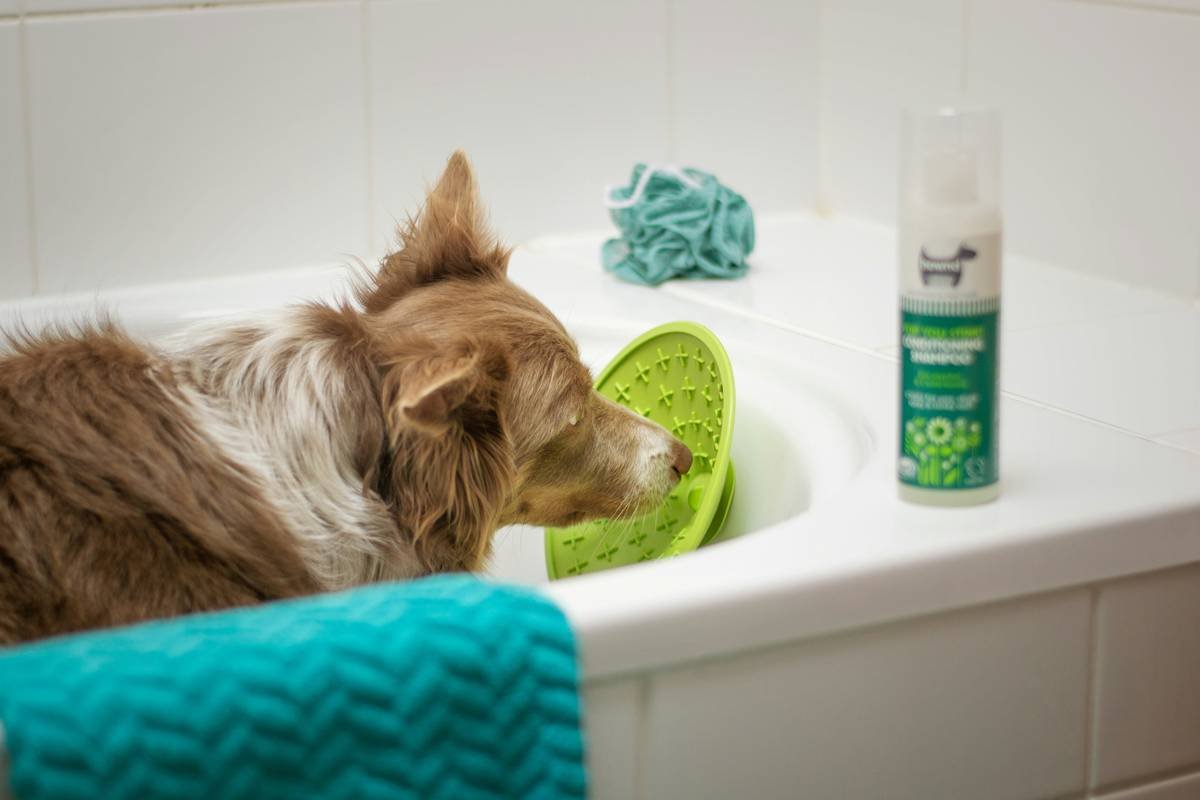
Bottom line: When you bathe your dog in a formula not calibrated for *their* biology, you’re not cleaning—you’re compromising.
How to Choose a Genuine pH-Balanced Coat Bath
Not all “pH-balanced” labels are created equal. In fact, “pH-balanced” is unregulated in pet care—meaning any brand can slap it on a bottle even if it’s closer to battery acid than biology. So how do you cut through the fluff?
What should I look for on the ingredient label?
Optimist You: “Just check for ‘pH-balanced’ and call it a day!”
Grumpy You: “Ugh, fine—but only if I get proof, not marketing poetry.”
Here’s your battle plan:
- Demand transparency. Reputable brands (like Earthbath, Burt’s Bees for Pets, or Vet’s Best) often publish pH ranges on their websites or will email you lab reports upon request.
- Avoid sulfates and parabens. Sodium lauryl sulfate (SLS) may lather beautifully, but it’s a known skin irritant for dogs—even at neutral pH.
- Look for skin-supportive additives: colloidal oatmeal, aloe vera, or ceramides help reinforce the acid mantle after cleansing.
Can I test pH at home?
Yes—but carefully. Use narrow-range pH test strips (5.5–8.0). After diluting shampoo per directions, dip the strip. If it reads below 6.0 or above 7.5, shelf it. I keep a pack in my grooming kit like a paranoid chemist. (Worth it.)
Best Practices for Bath Time Success
Even the perfect pH-balanced coat bath fails if your technique stinks. Here’s how to nail it:
- Brush first. Mats trap shampoo residue against skin—recipe for hot spots.
- Use lukewarm water. Hot water opens pores and increases absorption of irritants.
- Rinse like your dog’s comfort depends on it (it does). Spend twice as long rinsing as lathering. Residue = itch city.
- Towel-dry gently. Rubbing creates micro-tears in fragile, post-bath skin.
- Never bathe more than every 3 weeks unless directed by a vet. Overwashing depletes natural oils regardless of pH.
Terrible Tip Alert: “Just use dish soap to kill fleas!” Nope. Dawn has a pH of ~9—great for grease, catastrophic for dog skin. It will dry, crack, and inflame. Seen it. Cried over it.
Real Results: Case Studies from My Grooming Studio
In my mobile grooming van (“The Sudsy Pup”), I track skin health pre- and post-bath using a veterinary-approved scoring system (0 = healthy, 5 = severe inflammation).
Case 1: Max, 4-year-old Pit Bull Mix
– History: Chronic ear infections + flank itching
– Previous routine: Human dandruff shampoo (pH ~5.0)
– Switched to: Earthbath Oatmeal & Aloe (confirmed pH 6.8)
– Result: Score dropped from 4 → 1 in 6 weeks. Owner cried happy tears.
Case 2: Sophie, 9-year-old Shih Tzu
– History: Recurring yeast dermatitis
– Previous routine: “Natural” pet store brand (no pH listed)
– Switched to: Vet’s Best Hypoallergenic (pH 7.0)
– Result: No flare-ups in 5 months. Her pink belly finally matches her white fur.
Moral? The right pH-balanced coat bath isn’t luxury—it’s medicine in a bottle.
FAQs About pH-Balanced Coat Baths
Is pH-balanced shampoo safe for puppies?
Yes—if specifically formulated for puppies. Their skin is thinner and more absorbent. Always choose tearless, fragrance-free, and pH 6.5–7.0 formulas.
Can I use pH-balanced dog shampoo on cats?
Proceed with caution. Cats have slightly different pH needs (~6.4–7.0), but more critically, they groom orally—so ingredients must be non-toxic if ingested. Only use cat-specific or vet-approved multi-species shampoos.
How often should I bathe my dog with pH-balanced shampoo?
Most healthy dogs: every 4–6 weeks. Dogs with skin conditions: as directed by your vet—sometimes weekly during flare-ups, then tapered.
Does “organic” mean pH-balanced?
Nope. Organic refers to ingredient sourcing, not pH. An organic lavender shampoo could still be pH 5.0—and disastrous for your dog.
Conclusion
Your dog’s skin isn’t just a cover—it’s their first line of defense. Using a true pH-balanced coat bath respects their biology instead of overriding it. From avoiding well-meaning mistakes (yes, baby shampoo counts) to reading labels like a forensic scientist, these steps protect more than cleanliness—they protect comfort, health, and trust.
So next bath time, don’t just lather. Listen. To the science. To your dog’s sigh of relief. And maybe to the soft whirr of your tub’s faucet—sounding suspiciously like your laptop fan during a 4K render. Whirrrr.
Like a Tamagotchi, your dog’s skin barrier needs daily care—not just crisis cleanups.
Fur calm,
Skin shield strong—
pH just right.