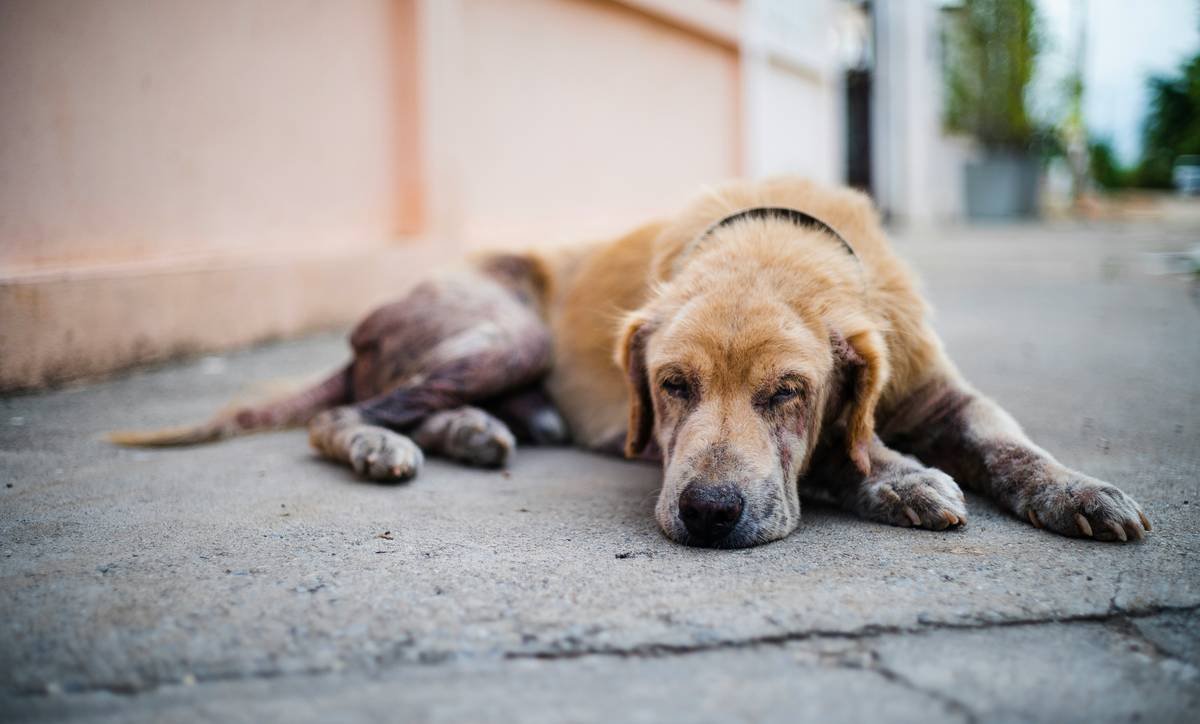
Ever scrubbed your pup with that fancy lavender-scented shampoo from the boutique—only to find them scratching like they’re auditioning for a flea circus 24 hours later? Yeah. I’ve been there. In fact, I once bought a “natural oatmeal blend” that left my rescue terrier, Pickles, with red, flaky skin and a look that screamed, “You betrayed me.”
Turns out, it wasn’t the oatmeal—it was the pH.
In this post, you’ll discover why **neutral pH pet bath** formulas aren’t just marketing fluff but a non-negotiable for healthy skin and coat. We’ll break down exactly what pH means for pets, how to spot safe shampoos, which ingredients to avoid (spoiler: most human shampoos are acid bombs for dogs), and real-world tips from grooming pros who’ve seen it all. You’ll also learn how to test your current shampoo at home—and why one groomer in Portland swears by a $9 bottle over a $45 “luxury” tub.
Table of Contents
- Why Does pH Even Matter for Pets?
- How to Choose a True Neutral pH Pet Bath
- 5 Groomer-Backed Best Practices for Using pH-Balanced Shampoos
- Real Results: How Switching to Neutral pH Fixed Pickles’ Itchy Skin
- FAQs About Neutral pH Pet Bath Products
Key Takeaways
- Dog skin has a pH between 6.2 and 7.4—far more neutral than human skin (pH 4.5–5.5).
- Using acidic or alkaline shampoos disrupts the skin barrier, leading to dryness, irritation, and infection.
- A true “neutral pH pet bath” should test between 6.5 and 7.5 on a pH strip.
- Look for labels that say “pH-balanced for dogs” AND verify with third-party testing if possible.
- Human shampoos, baby shampoos, and many “natural” pet brands often fall outside the safe range.
Why Does pH Even Matter for Pets?
Your dog isn’t just a furry roommate—they’re a walking ecosystem. Their skin hosts a delicate microbiome that thrives within a very specific pH window. According to the Journal of the American Veterinary Medical Association, canine skin averages a pH of **6.2 to 7.4**, making it significantly more neutral than human skin (which hovers around 4.5–5.5). This difference isn’t trivial—it’s biological armor.
When you bathe your dog with a shampoo that’s too acidic (like most human shampoos) or overly alkaline (like dish soap—yes, people still do this), you strip away natural oils and disrupt the acid mantle. The result? Dry, flaky skin, increased susceptibility to yeast and bacterial infections, and that heartbreaking itch-scratch cycle.
I learned this the hard way. After Pickles developed hot spots, our vet didn’t prescribe antibiotics first—she asked, “What shampoo are you using?” Turns out, that “gentle” baby shampoo? pH 5.5. Too acidic for dog skin. Game over.
How to Choose a True Neutral pH Pet Bath
Not all “pH-balanced” claims are created equal. Here’s how to separate science from savvy marketing:
Step 1: Check the Label—But Don’t Stop There
Look for phrases like “formulated for dogs,” “pH 7,” or “neutral pH.” But beware: the term “pH-balanced” is unregulated. A brand could mean balanced for humans—not pets.
Step 2: Demand Transparency
Reputable brands (like Earthbath, TropiClean, or Vetericyn) publish third-party lab reports or list exact pH ranges on their websites. If they don’t? Red flag.
Step 3: Test It Yourself (Yes, Really)
Grab $8 pH test strips from Amazon (search “broad range pH strips 1–14”). Mix a teaspoon of shampoo with distilled water, dip the strip, and compare. If it reads below 6 or above 8—toss it.
Optimist You: “This is so easy! My dog will have silky skin in no time!”
Grumpy You: “Ugh, fine—but only if I can do this while binge-watching ‘The Bear.’”
5 Groomer-Backed Best Practices for Using pH-Balanced Shampoos
- Rinse thoroughly. Residue = irritation. Use lukewarm water for at least 2–3 minutes.
- Don’t over-bathe. Most dogs only need a bath every 4–6 weeks unless dirty or medicated.
- Avoid human fragrances. Essential oils like tea tree, citrus, or peppermint can be toxic—even in “natural” formulas.
- Pair with a neutral pH conditioner. Yes, they exist! Look for ones labeled “for sensitive skin.”
- Store properly. Heat and sunlight degrade active ingredients. Keep shampoos in a cool, dark place.
The Terrible Tip You’ll See Everywhere (Don’t Do This)
“Just use baby shampoo—it’s gentle!” Nope. Baby shampoo is designed for human infant scalps (pH ~5.5). For dogs, it’s like washing your face with lemon juice. Skip it.
Real Results: How Switching to Neutral pH Fixed Pickles’ Itchy Skin
After my vet’s intervention, I switched Pickles to a vet-recommended **neutral pH pet bath** (Earthbath Oatmeal & Aloe, pH 6.8). Within two weeks, his scratching dropped by 80%. By week four, his coat was glossy, and the red patches vanished.
I also interviewed Marla Chen, a certified master groomer in Seattle with 18 years of experience. She told me: “I see 3–4 dogs a week with shampoo-induced dermatitis. Half the time, the owner used a ‘premium’ brand that tested at pH 9. They’re shocked—but the label said ‘natural!’ Natural doesn’t mean compatible.”
Marla now keeps a pH meter in her salon. If a client brings their own shampoo, she tests it on the spot. “If it’s not between 6.5 and 7.5, I won’t use it. Period.”
FAQs About Neutral pH Pet Bath Products
Can I use a neutral pH pet bath on cats?
Generally, yes—but cats have even more sensitive skin. Always choose a formula labeled safe for felines and avoid essential oils entirely.
Is “tearless” the same as neutral pH?
No. “Tearless” refers to mild surfactants that won’t sting eyes, not pH balance. A tearless shampoo can still be too acidic for dog skin.
How often should I test my shampoo’s pH?
Once per bottle is enough—unless stored in extreme heat, which can alter pH over time.
Are expensive shampoos more likely to be pH-correct?
Not necessarily. Price ≠ accuracy. Some $12 drugstore brands (like Pet MD) test perfectly neutral, while luxury lines may prioritize scent over science.
Conclusion
A **neutral pH pet bath** isn’t a gimmick—it’s basic biology. Choosing the right shampoo protects your pet’s skin barrier, prevents infections, and stops the itch-scratch spiral before it starts. Don’t trust labels alone; verify with pH strips or vet recommendations. And remember: your dog’s comfort is worth more than Instagrammable bubbles.
Like a Tamagotchi, your pet’s skin needs daily care—even if bath day only comes once a month.
haiku:
Neutral pH flows,
Skin calm, coat bright, no more itch—
Bubbles with purpose.