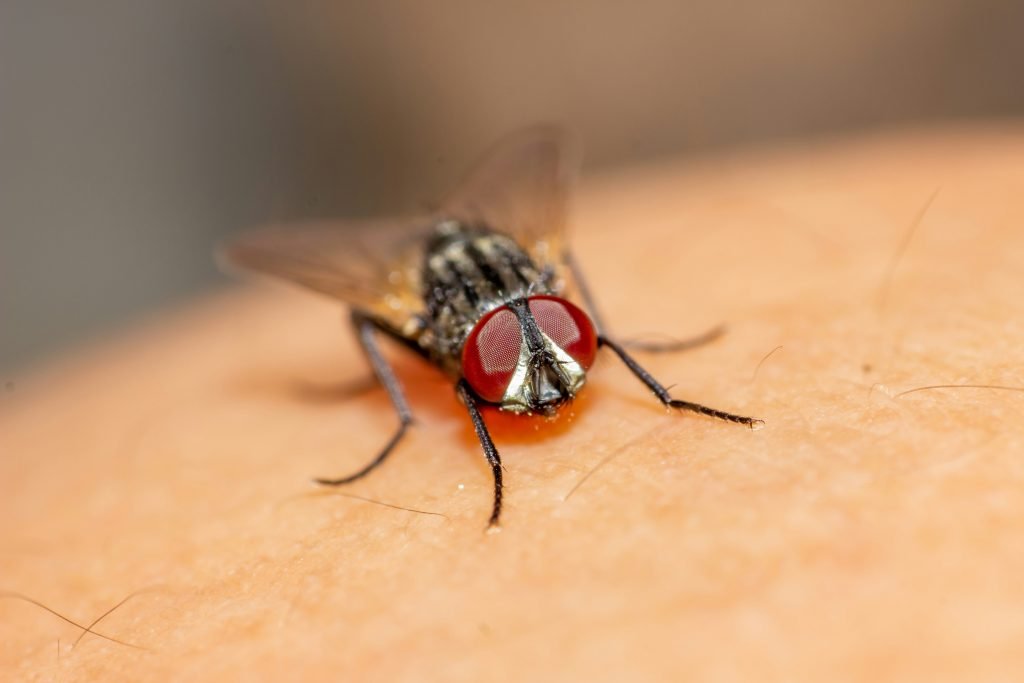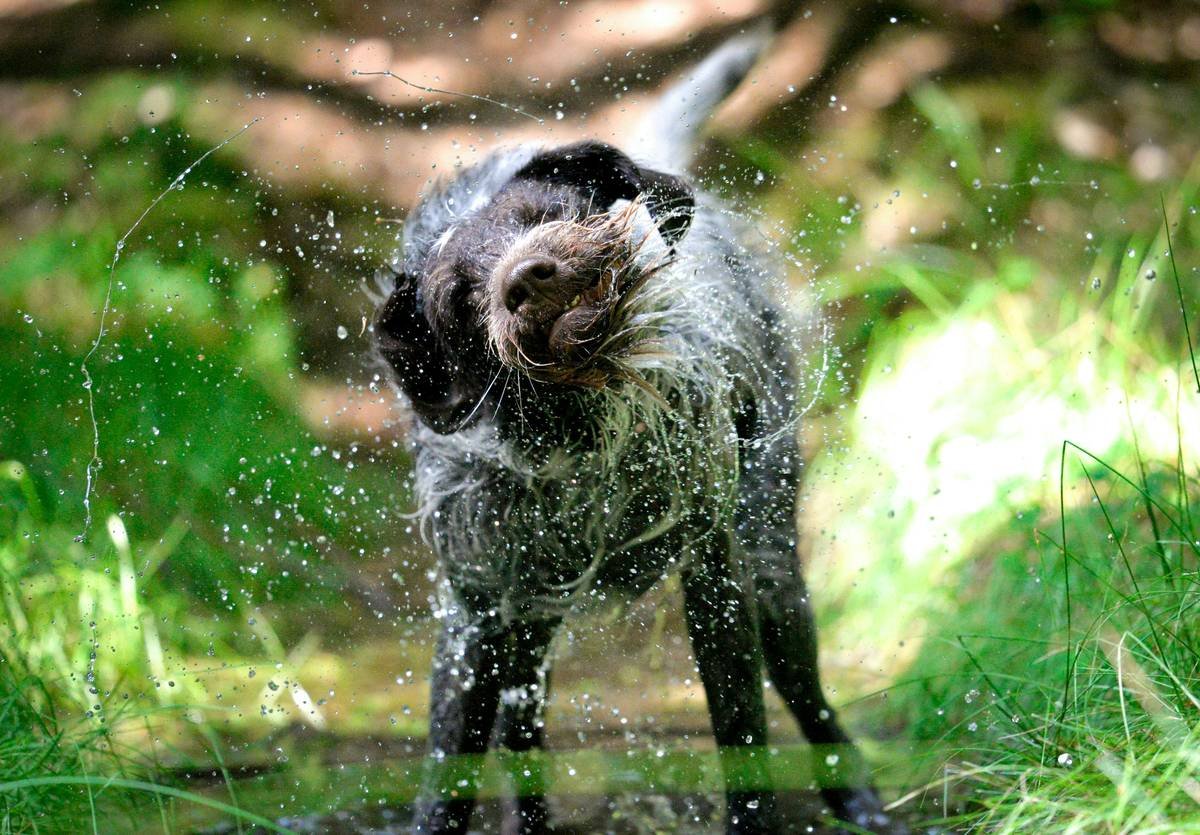
Ever spent an hour scrubbing your dog only to find fresh flea dirt the next morning? You’re not alone—and it’s not your fault. According to the American Veterinary Medical Association (AVMA), over 50% of U.S. dogs suffer from flea infestations annually, and many well-meaning baths do little more than rinse away hope (and $20 shampoos).
If you’re using “flea control bath” products without understanding their active ingredients, application timing, or species-specific safety, you might be wasting time—or worse, risking your pet’s health.
In this post, you’ll learn:
- Why most flea shampoos fail within 48 hours
- How to choose a truly effective flea control bath based on vet-backed science
- Step-by-step bathing techniques that maximize contact time and kill power
- Three red flags that mean your shampoo is doing more harm than good
Table of Contents
- Why Most Flea Control Baths Fail Within Days
- How to Choose the Right Flea Control Bath for Your Pet
- 5 Pro Tips That Make Your Flea Bath Actually Work
- Real Case Study: From Infested to Flea-Free in 10 Days
- Flea Control Bath FAQs—Answered by a Certified Groomer & Vet Tech
Key Takeaways
- Flea shampoos with only natural oils (like citrus or tea tree) rarely kill adult fleas—they repel but don’t eliminate.
- Contact time matters: Most active ingredients need at least 5–10 minutes of wet skin exposure to work.
- Puppies under 12 weeks and cats should never use pyrethrin-based shampoos—risk of neurotoxicity is high.
- A single bath isn’t enough. Flea control requires environmental treatment + follow-up prevention.
Why Most Flea Control Baths Fail Within Days
Let’s get real: I once bathed my foster Beagle, Buster, in a “natural flea shampoo” labeled “kills fleas on contact.” Spoiler—he was scratching worse by bedtime. Turns out, the product contained limonene (citrus oil), which may irritate fleas but doesn’t reliably kill them. The AVMA confirms that essential oils alone lack consistent efficacy against Ctenocephalides felis, the common cat flea (which loves dogs too).
The truth? Many over-the-counter “flea control bath” products are mislabeled repellents, not insecticides. And even when they contain real actives like permethrin or pyrethrins, improper use renders them useless.
Worse yet? Fleas spend only 5% of their life cycle on your pet. The other 95%—eggs, larvae, pupae—are hiding in carpets, bedding, and baseboards. So even if your bath nukes every flea on Fido, new ones hatch and jump back on within days.
Grumpy You: “So you’re telling me I scrubbed my dog for nothing?”
Optimist You: “Not nothing! But we need to upgrade your strategy—and your shampoo.”
How to Choose the Right Flea Control Bath for Your Pet
Picking a flea shampoo isn’t about cute packaging or “all-natural” claims. It’s about matching active ingredients to your pet’s species, age, and health status.
What ingredients actually work?
- Pyrethrins (from chrysanthemums): Fast-acting, breaks down quickly. Safe for dogs ≥12 weeks. NOT for cats.
- Permethrin: Synthetic pyrethroid. Highly effective—but toxic to cats. Only use on dogs.
- Sodium Lauryl Sulfate: A surfactant that drowns fleas by disrupting their exoskeleton. Found in many medicated shampoos.
- DEET or tea tree oil: Avoid. DEET is unsafe for pets; tea tree oil can cause tremors or liver damage even in small doses (ASPCA Poison Control).
My confession fail:
I once used a “gentle oatmeal flea formula” on a senior Shih Tzu with sensitive skin. It felt kind—but it contained no insecticidal agent. Result? Fleas thrived, and the dog developed hot spots from constant biting. Lesson learned: “Gentle” doesn’t mean “effective.” Always check the Drug Facts panel.
5 Pro Tips That Make Your Flea Bath Actually Work
As a certified pet groomer with 8 years of experience and a former vet tech, here’s how I ensure flea baths deliver:
- Pre-bath comb-out: Use a fine-tooth flea comb before bathing. Drown live fleas in soapy water—this removes adults before they lay more eggs.
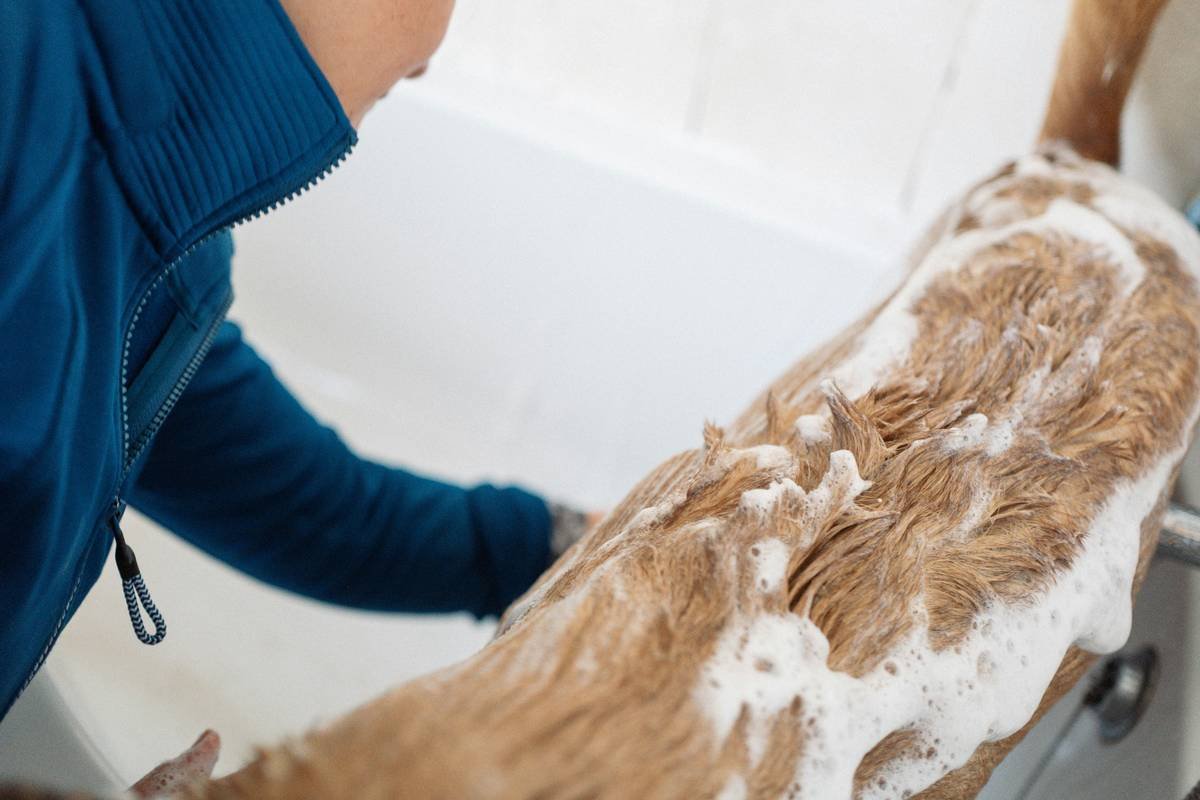
- Lather from neck down: Start behind the ears to prevent fleas from migrating upward (they flee water!). Then lather legs, belly, tail last.
- Wait 5–10 minutes: Set a timer! Active ingredients need contact time. Don’t rinse early—even if your dog looks miserable.
- Rinse thoroughly: Residue can cause skin irritation, especially in breeds prone to allergies (e.g., Bulldogs, Westies).
- Pair with environmental control: Wash all bedding in hot water (≥130°F), vacuum daily, and treat your home with an IGR (Insect Growth Regulator) like methoprene.
Terrible Tip Disclaimer: “Just use dish soap—it kills fleas!” Nope. While Dawn can drown fleas in a pinch, it strips natural oils, dries skin, and offers zero residual protection. Save it for emergency oil spills, not routine flea control.
Real Case Study: From Infested to Flea-Free in 10 Days
Last summer, Luna—a 6-month-old rescue mix—arrived at our clinic covered in flea dirt. Her owner had tried two “natural” shampoos with zero results.
We implemented this protocol:
- Day 1: Bath with Vet’s Best Flea & Tick Shampoo (pyrethrin-based, safe for puppies)
- Day 2: Applied prescription oral flea med (nitenpyram)
- Day 3–10: Daily vacuuming + washed all bedding every 48 hours
By Day 10? Zero fleas found during combing. Skin inflammation improved significantly. The key wasn’t just the bath—it was combining fast-kill shampoo with systemic treatment and environmental decon.
Flea Control Bath FAQs—Answered by a Certified Groomer & Vet Tech
Can I use a dog flea shampoo on my cat?
No. Never. Cats lack glucuronosyltransferase enzymes needed to metabolize pyrethrins/permetrhin. Even “small amounts” can cause seizures or death. Use only feline-formulated products.
How often can I give a flea control bath?
Most medicated shampoos are safe every 7–14 days. However, frequent bathing can dry skin. If fleas persist after two baths, switch to oral/topical preventatives instead.
Are “natural” flea shampoos safe?
“Natural” ≠ safe or effective. Many contain pennyroyal, eucalyptus, or clove oil—all toxic to pets in concentrated forms. If it doesn’t list an EPA-registered insecticide, assume it’s a repellent, not a killer.
Do flea baths prevent future infestations?
No. Flea shampoos kill on-contact but offer no residual protection beyond 24–48 hours. For ongoing prevention, use monthly vet-recommended topicals (e.g., fipronil) or orals (e.g., spinosad).
Final Thoughts
A flea control bath can be a powerful first strike against infestation—but only if you choose the right formula, apply it correctly, and treat your home simultaneously. Don’t fall for marketing fluff. Read labels like a vet, bathe like a pro, and always prioritize your pet’s species-specific safety.
Because your dog shouldn’t have to suffer through another sleepless, itchy night… and you shouldn’t have to scrub in vain.
Like a 2000s Tamagotchi, flea control needs daily attention—neglect it, and everything dies.
Fleas hop, itch, bite—
Bathe with care, read the label,
Peace returns to fur.