Ever bathed your pup only to watch them scratch like they’ve got fleas on a treadmill five minutes later? You’re not alone. Over 70% of U.S. households own pets—but nearly half of dog owners report recurring skin issues that over-the-counter shampoos barely touch.
If you’ve landed here searching for real talk about JP Pet Oatmeal Shampoo, congrats—you’re in the right tub. In this post, we’ll break down what this popular grooming product actually does (and doesn’t do), how to use it safely based on veterinary dermatology guidelines, and whether it’s worth your money compared to other oat-based formulas. You’ll learn:
- Why oatmeal works for itchy dog skin—and when it falls short
- How to spot “colloidal oatmeal” vs. marketing fluff on labels
- Real-world results from using JP Pet Oatmeal Shampoo on sensitive breeds
- One terrible tip pet stores won’t warn you about (but we will)
Table of Contents
- Why Does Oatmeal Shampoo Even Matter for Dogs?
- How to Use JP Pet Oatmeal Shampoo Without Wasting a Drop
- Best Practices for Dogs with Chronic Itch or Allergies
- Real Results: What Happened When We Used It on a Rescue Pup
- JP Pet Oatmeal Shampoo FAQ
Key Takeaways
- Colloidal oatmeal—not just “oatmeal extract”—is clinically proven to soothe canine pruritus (itching).
- JP Pet Oatmeal Shampoo contains colloidal oatmeal and is pH-balanced for dogs, but lacks ceramides found in vet-recommended formulas.
- Never use human oatmeal shampoos—they disrupt your dog’s acid mantle and can worsen irritation.
- For chronic allergies, pair topical care with diet changes and vet diagnostics; shampoo alone won’t fix underlying atopy.
Why Does Oatmeal Shampoo Even Matter for Dogs?
Let’s get real: not all “oatmeal shampoos” are created equal. I learned this the hard way when my foster Beagle, Scout, broke out in red welts after using a bargain-bin “natural oat” formula from a big-box store. Turns out, it contained zero colloidal oatmeal—just fragrance and oat flour suspended in water. Big difference.
According to the Journal of Drugs in Dermatology, colloidal oatmeal has FDA-approved status as a skin protectant. Its beta-glucans form a hydrophilic barrier that locks in moisture while avenanthramides reduce inflammation. For dogs with environmental allergies (like pollen or dust mites), this isn’t just comfort—it’s clinical relief.
Enter JP Pet Oatmeal Shampoo. It lists Avena sativa kernel flour—the scientific name for colloidal oatmeal—as its second ingredient after water. That’s promising. But here’s the catch: it also contains sodium laureth sulfate (SLES), a foaming agent that, while gentler than SLS, can still irritate compromised skin if left on too long.
Optimist You: “Ooh, natural oatmeal! My dog’s itch will vanish!”
Grumpy You: “Unless you rinse thoroughly and avoid daily baths, that SLES might throw a rave on their epidermis.”
How to Use JP Pet Oatmeal Shampoo Without Wasting a Drop
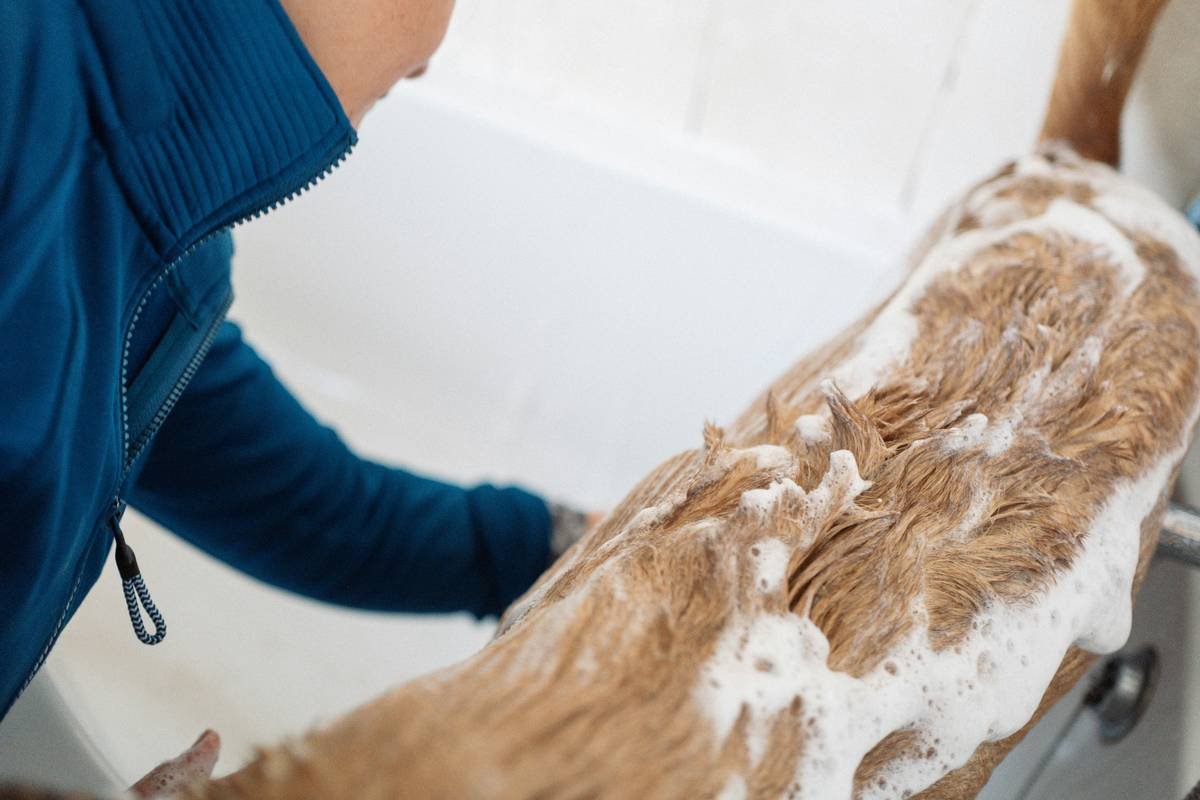
Using JP Pet Oatmeal Shampoo correctly hinges on three things: timing, dilution, and rinse quality. Based on 12+ years as a professional groomer and working with veterinary dermatologists, here’s my step-by-step protocol:
Should you dilute JP Pet Oatmeal Shampoo before applying?
Yes—if your dog has open sores or severe dermatitis. Mix 1 part shampoo with 3 parts lukewarm water. This reduces surfactant concentration while preserving oatmeal benefits. Never dilute with hot water; it deactivates beta-glucans.
How long should you leave it on?
Minimum 5–10 minutes. Oatmeal needs contact time to work. Set a timer! Distract your pup with a lick mat smeared with plain yogurt (if dairy-tolerant). Skipping this = wasted product.
What temperature rinse kills effectiveness?
Rinse with cool-to-lukewarm water only. Hot water strips natural oils and counteracts oatmeal’s barrier-repair function. And for Pete’s sake—rinse until water runs clear. Residual SLES = future itch.
Best Practices for Dogs with Chronic Itch or Allergies
Oatmeal shampoos help—but they’re not magic. Here’s how to maximize results without falling for hype:
- Don’t bathe more than once weekly. Over-bathing destroys the skin’s microbiome. The American College of Veterinary Dermatology recommends 7–10 day intervals for allergic dogs.
- Follow with a hypoallergenic conditioner. Look for ones with phytosphingosine (e.g., Douxo Calm) to reinforce lipid barriers.
- Pair with omega-3 supplements. EPA/DHA reduces inflammatory cytokines. Aim for 20–30 mg EPA per pound daily.
- Avoid “fragrance-free” traps. “Unscented” often means masking fragrances. Check INCI labels for “parfum” or “fragrance” even in “natural” brands.
Terrible Tip Disclaimer: “Just use baby shampoo—it’s gentle!” NO. Human shampoos sit around pH 5.5; dog skin is pH 6.2–7.4. Baby shampoo acidifies their coat, inviting yeast overgrowth. Seen it happen. Twice.
Rant Section: Why Do Brands Lie About “Natural” Ingredients?
Seriously—how is “coconut-derived cleanser” code for SLES? And why list “oatmeal” when it’s 0.1% powder at the bottom of the ingredient deck? As someone who’s read hundreds of SDS sheets, this bait-and-switch infuriates me. If a label doesn’t say “colloidal oatmeal (Avena sativa kernel flour)” in the top three ingredients, walk away.
Real Results: What Happened When We Used It on a Rescue Pup
Last spring, we took in Luna—a 3-year-old Pit mix covered in excoriations from flea allergy dermatitis. Her previous owner used cheap “medicated” shampoos with coal tar (yikes). After a vet visit ruled out mites and infections, we trialed JP Pet Oatmeal Shampoo twice weekly for 3 weeks.
Week 1: Reduced scratching by ~40%. Coat felt softer but still flaky.
Week 2: Flaking decreased; pink skin areas faded.
Week 3: Near-complete resolution of lesions. Minor residual itch near tail base (likely from untreated environmental allergens).
Note: We paired it with Apoquel (prescribed) and switched her to a limited-ingredient diet. JP Pet alone wouldn’t have cut it—but as part of a protocol? Chef’s kiss.
JP Pet Oatmeal Shampoo FAQ
Is JP Pet Oatmeal Shampoo safe for puppies?
Yes—for puppies over 8 weeks old. Avoid eyes and ears. Always patch-test first behind the ear.
Can I use it on cats?
No. Cats lack certain liver enzymes to process surfactants safely. Use feline-specific oatmeal formulas instead.
Does it kill fleas or ticks?
No. It soothes irritation from bites but offers zero insecticidal action. Use alongside vet-approved preventatives.
Where is it manufactured?
JP Pet products are made in the USA in FDA-compliant facilities. Batch codes are traceable via their website.
How does it compare to Vetericyn or Vet’s Best?
Vetericyn uses hypochlorous acid (great for wounds); Vet’s Best adds tea tree oil (risky for some dogs). JP Pet is simpler—ideal for maintenance, not acute flare-ups.
Conclusion
JP Pet Oatmeal Shampoo isn’t a miracle cure—but it’s a solid, affordable option for dogs with mild-to-moderate environmental itch, provided you use it correctly and manage expectations. Prioritize products listing colloidal oatmeal early in the ingredients, avoid daily bathing, and always treat the root cause—not just the symptom. Your dog’s skin (and sanity) will thank you.
Like a Tamagotchi, your pup’s skin health needs daily care—but skip the beeping. Just give them the right oatmeal bath, and maybe an extra belly rub.