Ever noticed your furry friend scratching like they’re auditioning for a DJ gig? It might not just be fleas or allergies—it could be their shampoo. And here’s where pH level testing sneaks into the spotlight. Spoiler: Not all shampoos are created equal, and getting this wrong can lead to *major* skin drama for your pupper.
In this guide, we’ll deep-dive into why pH balance is crucial for pet grooming products, how you can nail it with proper testing, and which mistakes to avoid (because trust me, I’ve made some). You’ll leave armed with everything from actionable steps to real-world product picks—and maybe even a meme-worthy chuckle along the way.
Table of Contents
Key Takeaways
- pH levels affect whether your pet’s skin stays happy—or becomes an itchy disaster zone.
- Pets’ skin operates at a different pH than ours, making “human-safe” shampoos risky business.
- At-home pH testing strips are easy to use and worth every penny.
- Finding vet-recommended brands saves time and prevents costly vet bills later.
Why pH Imbalance Hurts Your Pet’s Skin
Imagine using dish soap on your face. Ouch, right? Now picture doing that to your pup. Pets’ skin has a much higher pH level compared to humans—around 6.2 to 7.5 depending on species and breed. If their shampoo skews too far off that range, expect redness, dryness, and relentless scratching.
I learned the hard way when I grabbed what looked like a “gentle hypoallergenic” pet shampoo but didn’t check its pH beforehand. Cue my poor golden retriever resembling a lint roller covered in dandruff. Rookie mistake. Let’s ensure you don’t repeat my blunder.
How to Test pH Levels Like a Pro
Grumpy Optimist Dialogue:
Optimistic You: “This will be fun and educational!”
Grumpy You: “Yeah, unless you spill the testing liquid everywhere.”
- Get Some pH Strips: These affordable kits come labeled as universal indicators and work wonders. Look for ones rated for both acid and base solutions.
- Mix Sample Solutions: Dilute shampoo samples with distilled water per the manufacturer’s instructions (usually 1:10 ratio).
- Dip & Match: Dip the strip into the solution, wait a few seconds, then compare the color change against the provided chart.
- Record Results: Keep notes—you think you’ll remember six months from now? Nope.
Pro Tip: Always double-check the expiration date on those strips. Expired tests = unreliable results. Trust me; last year’s batch ain’t cutting it anymore.
Best Practices for Choosing Safe Shampoos
Terrific Tips Guaranteed to Save Your Sanity
- Vet-Approved Brands Only: Vet’s recommendations save trial-and-error heartache. Brands like Earthbath and Burt’s Bees for Pets often hit the sweet spot.
- Avoid Fragrance Overload: Smells nice ≠ safe. Synthetic fragrances irritate pets more often than you’d guess.
- Hypoallergenic Doesn’t Mean Hypo-pH: Just because it says gentle doesn’t mean it fits their pH needs perfectly.
A terrible tip someone once gave me was, “If it lathers well, it works better.” Don’t fall for this hogwash! Lather usually means harsh detergents, which disrupt natural oils and cause havoc.
Case Study: The Right vs. Wrong Shampoo
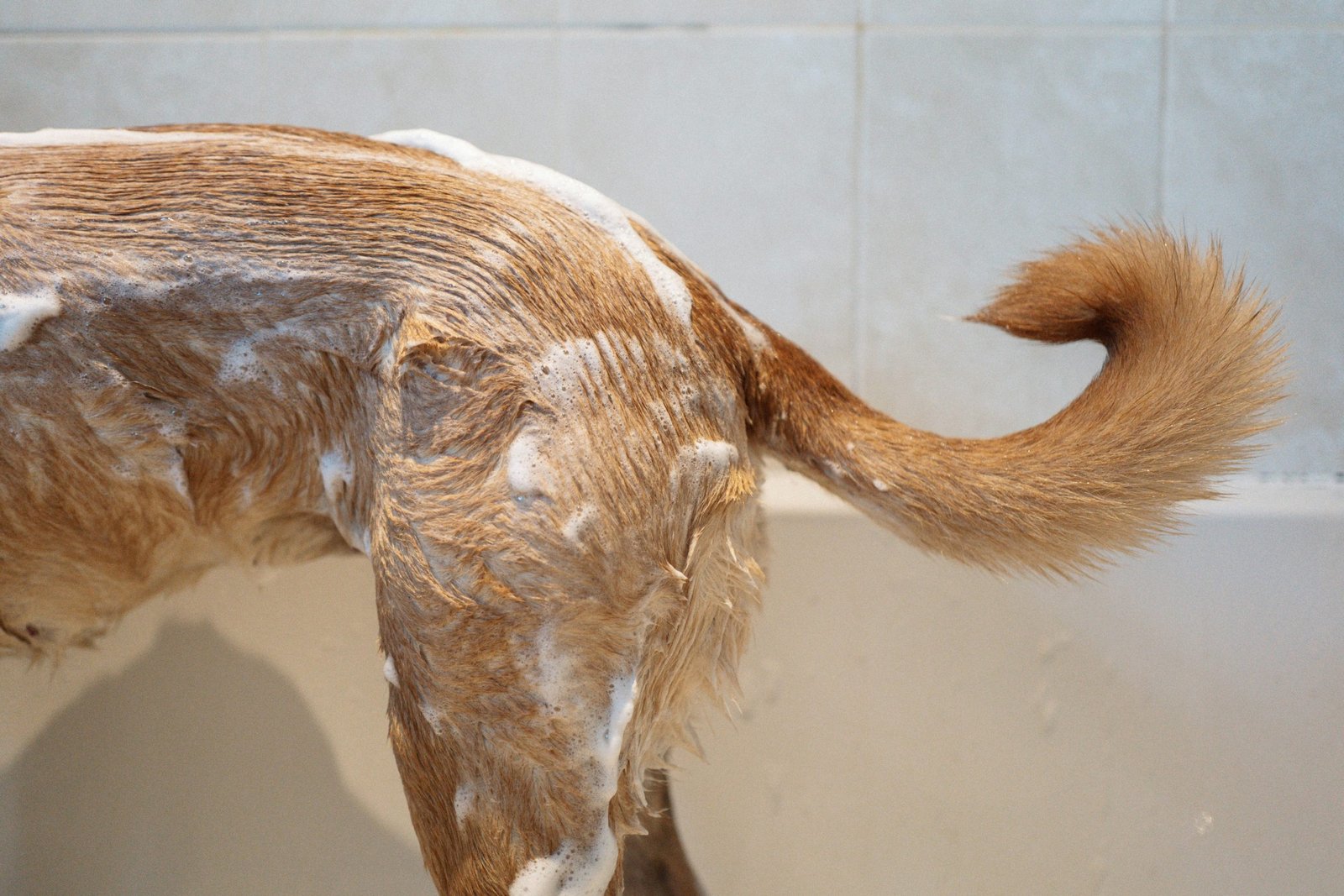
Laura V., a dog groomer based in Phoenix, shared a fascinating case. Her client brought in Max, a Labrador mix whose coat resembled hay bales after overusing a bargain shampoo found online. After switching him to a veterinary-formulated, pH-balanced alternative, his coat regained shine within three washes. Moral of the story? Invest wisely upfront.
FAQs About pH and Pet Grooming Products
- Q: Can I test homemade shampoo?
- Absolutely! Homemade mixtures still need pH checks since ingredients like vinegar or essential oils can alter balance drastically.
- Q: How frequently should I bathe my pet?
- Typically, once a month suffices unless they roll in something questionable (pets do love drama).
- Q: What happens if the shampoo isn’t pH balanced?
- Skin issues galore—from flakes to rashes. Long-term exposure risks chronic conditions needing medical intervention.
Wrapping Up: Nail That pH Game
Testing pH levels isn’t rocket science—it’s common sense wrapped in kindness toward your fluffy companions. By choosing shampoos carefully, avoiding rookie errors, and keeping tabs on pH metrics, you ensure your pet stays itch-free and Instagram-ready.
And remember: A clean pup is a happy pup—but only if they’re truly *safe*. Stay sharp out there, folks!
Like keeping Tamagotchis alive in the ’90s, pH care takes daily attention—but pays dividends forever.