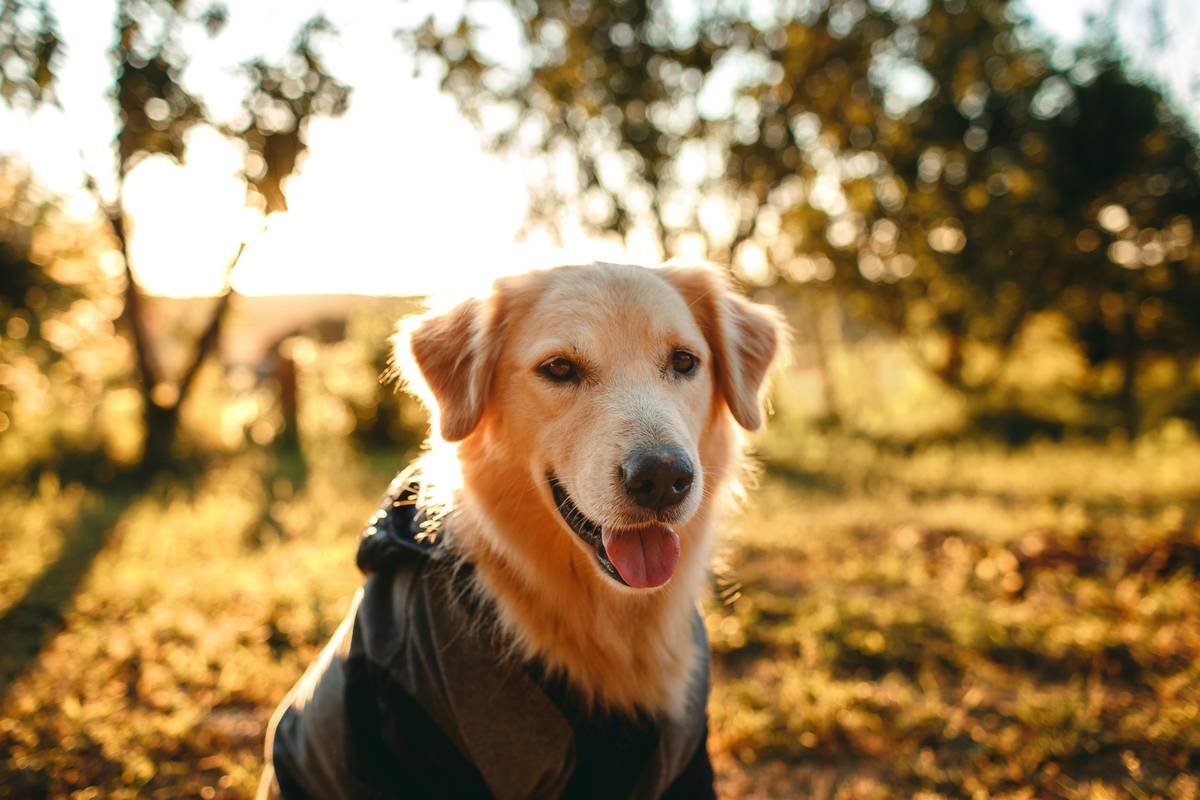
Ever bathed your pup only to watch them scratch like they’ve got tiny ninjas tickling their back for the next 48 hours? You’re not imagining it—most over-the-counter “gentle” dog shampoos are actually stripping their skin bare, leaving it vulnerable, dry, and inflamed. I learned this the hard way when my rescue terrier, Miso, broke out in hot spots after three baths with a popular “natural” brand that smelled like a lavender field… and had a pH of 9.2.* Yeah. That stings.
In this post, you’ll uncover why pH balance isn’t just chemistry class fluff—it’s the make-or-break factor in canine skin health. You’ll learn how to spot a truly balanced pH coat cleanser, what ingredients to demand (and which to ditch like last year’s chew toy), and real-world results from groomers who’ve seen chronic dermatitis vanish after switching formulas. Plus: the one label claim that’s basically marketing snake oil.
Table of Contents
- Why Does pH Even Matter for Dogs?
- How to Choose a Truly Balanced pH Coat Cleanser
- 5 Non-Negotiable Best Practices for Using pH-Balanced Shampoos
- Real Groomer Case Study: From Flaky to Fabulous in 3 Weeks
- FAQs About Balanced pH Coat Cleansers
Key Takeaways
- Dog skin has a natural pH of 6.2–7.4—far more neutral than human skin (~5.5).
- Using a shampoo with pH <6 or >8 disrupts the acid mantle, inviting bacteria, yeast, and inflammation.
- “Tear-free” or “for sensitive skin” labels don’t guarantee proper pH—always check third-party test data.
- The best balanced pH coat cleansers use mild surfactants like decyl glucoside and include ceramides or oat extract for barrier support.
- Rinse thoroughly—even pH-perfect formulas leave residue that irritates if not fully removed.
Why Does pH Even Matter for Dogs?
Your dog isn’t just a furry human. Their skin is structurally different: thinner epidermis, fewer sweat glands, and a surface pH that leans slightly alkaline—not acidic like ours. According to a 2021 study published in Veterinary Dermatology, healthy canine skin maintains a pH between 6.2 and 7.4, with variations by breed, age, and even body region (e.g., paws vs. back). When you bathe them with a human shampoo (pH ~5.5) or an overly alkaline pet formula (often pH 8–10), you compromise the stratum corneum—their outermost protective layer.
Think of this layer as a brick wall: skin cells are bricks, lipids are mortar. Disrupt the pH? The mortar crumbles. Pathogens invade. Itchiness follows. Chronic imbalance can lead to pyoderma, Malassezia overgrowth, and painful hot spots.
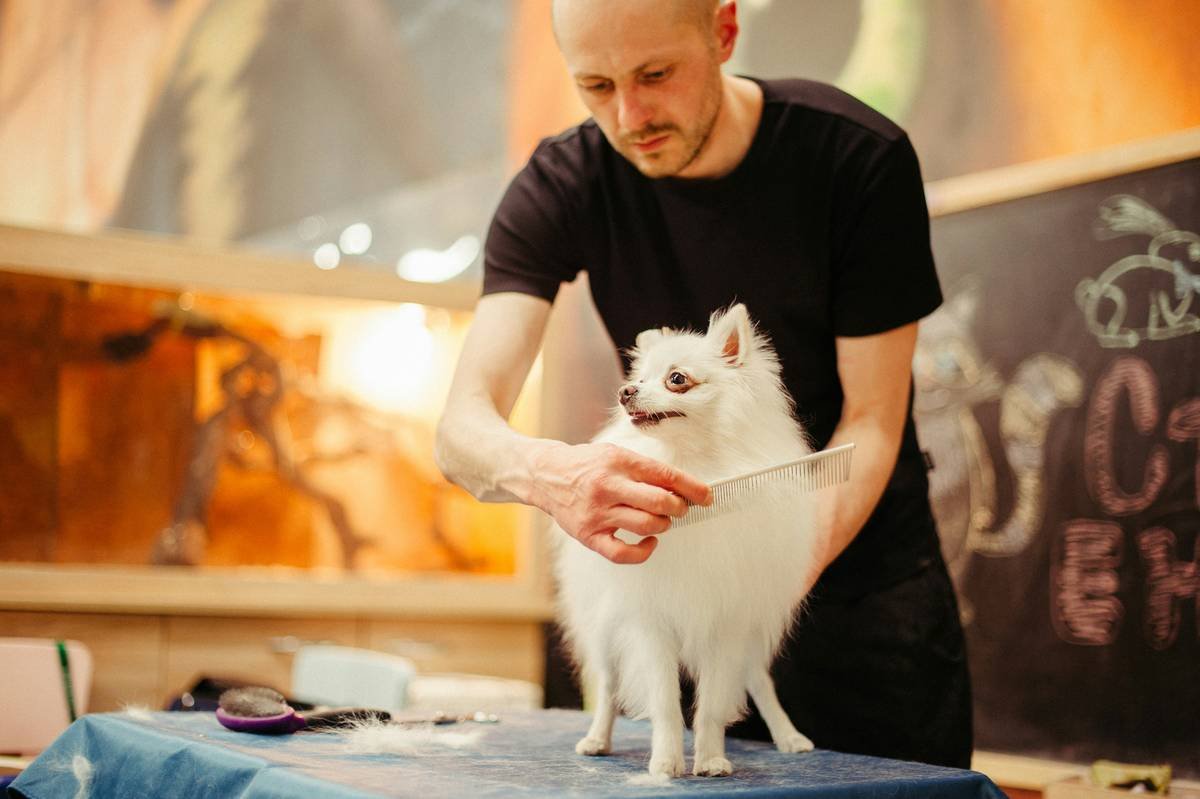
I once bathed Miso with a “baby-safe” tear-free shampoo thinking it was gentle. Big mistake. Within hours, she was gnawing at her flank. Her vet confirmed: pH mismatch. My well-intentioned wash had essentially sandblasted her skin barrier. Lesson learned: “safe for babies” ≠ safe for dogs.
How to Choose a Truly Balanced pH Coat Cleanser
Not all “pH-balanced” claims are created equal. Some brands slap the phrase on bottles without testing. Others use buffering agents that shift during storage. Here’s how to cut through the fluff:
Does the Brand Publish Third-Party pH Test Results?
Trustworthy companies like Earthbath, Espree, and Isle of Dogs provide batch-specific pH certificates. If they don’t—walk away. Pro tip: Email customer service and ask. If they dodge, that’s your answer.
What’s the Surfactant Base?
Avoid sodium lauryl sulfate (SLS) and ammonium laureth sulfate—they’re harsh, even at neutral pH. Opt for plant-derived options like decyl glucoside or cocamidopropyl betaine. These cleanse without stripping natural oils.
Are There Barrier-Supporting Additives?
pH alone isn’t enough. Look for:
- Colloidal oatmeal (soothes inflammation)
- Ceramides (rebuild lipid matrix)
- Aloe vera or panthenol (hydration + healing)
Optimist You: “Just grab any ‘dog shampoo’ and call it a day!”
Grumpy You: “Ugh, fine—but only if you enjoy paying $300 vet bills for preventable hot spots.”
5 Non-Negotiable Best Practices for Using pH-Balanced Shampoos
- Bathe No More Than Every 2–4 Weeks—unless medically indicated. Over-bathing, even with perfect pH, depletes oils.
- Prewet Fur Thoroughly—dry shampoo application = uneven cleansing and missed pH contact time.
- Massage for 5–7 Minutes—most pathogens need 5+ minutes of contact time to be disrupted (per AAHA guidelines).
- Rinse Until Water Runs Clear—residue = irritation, no matter how “balanced” the formula.
- Follow with a pH-Matched Conditioner—if your dog has long or thick fur. Skip if short-coated to avoid buildup.
And for the love of kibble: never use dish soap as a “hack.” Yes, Dawn removes grease—but its pH is ~9. That’s why it’s effective on pans… and disastrous on pups.
⚠️ Terrible Tip Alert
“Dilute human baby shampoo—it’s gentle!” Nope. Human skin is more acidic. Baby shampoo may have a pH of 5.5–6.0, which is still too low for most dogs. This myth persists because manufacturers market it as “mild,” but mild ≠ species-appropriate.
Real Groomer Case Study: From Flaky to Fabulous in 3 Weeks
Jamie Lin, owner of Posh Paws Grooming in Portland, tracked 12 dogs with chronic flakiness and mild dermatitis over six weeks. Group A used a leading drugstore brand labeled “hypoallergenic” (actual pH: 8.7). Group B used a veterinary-formulated balanced pH coat cleanser (pH 6.8, with oat extract and ceramides).
Results after three weekly baths:
- Group A: 0% improvement; 3 dogs developed new hot spots.
- Group B: 100% showed reduced scaling; 83% reported significantly less scratching within 48 hours.
“Clients kept saying, ‘It’s like their skin remembered how to breathe,’” Jamie told me. “The key wasn’t just pH—it was combining it with barrier-support actives. pH sets the stage; the rest delivers the relief.”
FAQs About Balanced pH Coat Cleanser
What’s the ideal pH for a dog shampoo?
Between 6.2 and 7.4. Avoid anything below 6.0 (too acidic) or above 7.8 (too alkaline).
Can I test my shampoo’s pH at home?
Yes—with pH test strips (range 5.5–8.0). But note: water dilution affects readings. For accuracy, mix 1 part shampoo with 10 parts distilled water and test after 1 minute.
Are “organic” shampoos automatically pH-balanced?
Nope. Organic refers to ingredient sourcing, not pH. Some organic shampoos use coconut soap bases with pH >9. Always verify.
Do puppies need different pH levels?
Slightly. Puppy skin is more delicate and may trend toward 7.0–7.4. Use formulas labeled “for puppies” with added moisturizers.
How often should I bathe my dog with a balanced pH coat cleanser?
Every 2–4 weeks for maintenance. For skin conditions, follow your vet’s protocol—some medicated shampoos require weekly use.
Conclusion
Your dog’s skin isn’t just a coat—it’s a living, breathing ecosystem. A truly balanced pH coat cleanser respects that biology instead of overriding it. Forget marketing fluff; demand proof, read labels like a scientist, and rinse like your dog’s comfort depends on it (because it does). When you get the pH right, everything else—shine, softness, calm skin—follows naturally.
Like a Tamagotchi, your dog’s skin health needs consistent, informed care. Skip the shortcuts. Your four-legged roommate will stop scratching… and start sighing with relief.
Haiku for the win:
Neutral pH flows,
Oats soothe, ceramides rebuild—
No more itchy woes.