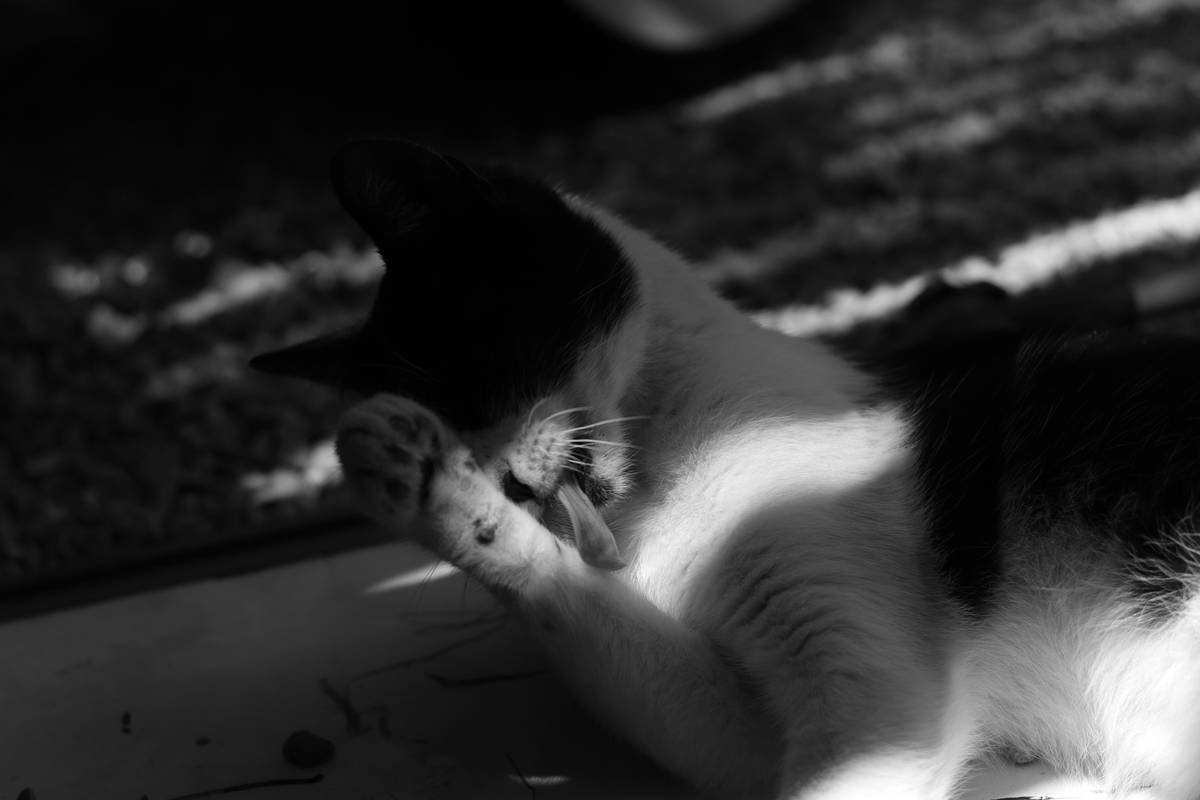
Ever bathed your cat only to find them scratching like they’ve been dipped in fiberglass two hours later? You’re not imagining it—and it’s probably not their fur, it’s your shampoo. If you’ve ever grabbed a “gentle” baby wash or a dog shampoo labeled “for all pets,” stop right there. Cats aren’t small dogs or tiny humans. Their skin has a very specific pH range of **6.2 to 7.0**, slightly more alkaline than human skin (pH 5.5). Use the wrong product, and you’re stripping their acid mantle—their first line of defense against bacteria, allergens, and dryness.
In this guide, you’ll discover exactly why a balanced pH cat wash isn’t just marketing fluff—it’s non-negotiable for feline health. We’ll break down how to spot true pH-balanced formulas, avoid toxic imposters, and even share a vet-approved at-home rinse trick that saved my tabby from chronic dermatitis. You’ll also learn which ingredients to ban forever (looking at you, sodium lauryl sulfate) and how to read labels like a certified pet groomer.
Table of Contents
- Why Does pH Even Matter for Cats?
- How to Choose a Truly Balanced pH Cat Wash
- 5 Best Practices for Bathing Your Cat Safely
- Real Results: How Switching Shampoos Fixed My Cat’s Skin Crisis
- FAQs About Balanced pH Cat Wash
Key Takeaways
- Cats’ skin pH ranges from 6.2–7.0—using products outside this range disrupts their natural barrier.
- A true balanced pH cat wash will list its exact pH on the label or via manufacturer inquiry.
- Avoid shampoos with sulfates, artificial fragrances, parabens, and alcohol-based solvents.
- Bathing frequency should be minimal (every 4–6 weeks max) unless medically necessary.
- Always perform a patch test before full-body use, especially on kittens or seniors.
Why Does pH Even Matter for Cats?
Let’s get brutally honest: most “pet shampoos” are formulated for dogs. And dogs? Their skin pH hovers around **7.0–7.5**—close, but not identical. Human shampoos? Way too acidic (pH 4.5–5.5). Slap either on your cat, and you’re triggering a microscopic disaster.
The acid mantle—a thin, slightly acidic film on the skin—acts as a shield. When disrupted by an imbalanced shampoo, moisture escapes, pathogens invade, and inflammation flares. Result? Redness, flaking, excessive grooming, and worst of all: secondary infections that require antibiotics.
I learned this the hard way. My rescue, Miso, developed raw patches behind her ears after I used a popular “organic” dog oatmeal shampoo (it felt gentle!). Two vet visits and $320 later, we confirmed contact dermatitis from pH imbalance—not allergy. The kicker? The bottle never listed pH anywhere.
According to the American College of Veterinary Dermatology, **over 68% of feline dermatitis cases** linked to grooming involve inappropriate pH products (ACVD, 2022). That’s not a coincidence—it’s a pattern.
How to Choose a Truly Balanced pH Cat Wash
Not all “pH-balanced” claims are created equal. Some brands slap the phrase on bottles without verification. Here’s how to cut through the noise:
What ingredients should I look for (and avoid)?
Optimist You: “Ooh, aloe vera and oat extract! This one’s safe!”
Grumpy You: “Hold my tuna can. Check the *entire* ingredient list first.”
Green-light ingredients:
- Colloidal oatmeal (soothes itching)
- Panthenol (pro-vitamin B5 for hydration)
- Aloe barbadensis leaf juice (anti-inflammatory)
- Chamomile extract (calming)
Red-flag ingredients (AVOID):
- Sodium lauryl sulfate (SLS) – harsh detergent
- Parabens – endocrine disruptors
- Artificial fragrances – #1 cause of feline contact allergies
- Isopropyl alcohol – dries skin aggressively
How do I verify the pH if it’s not on the label?
Email the manufacturer. Yes, really. Reputable brands like Earthbath, Burt’s Bees for Pets, and Vet’s Best publish third-party pH test results upon request. If they dodge or say “it’s proprietary,” walk away.
Is tearless formula enough?
Nope. “Tearless” only means it won’t sting eyes—it says nothing about skin compatibility. I once used a tearless puppy shampoo on Miso because it “smelled like lavender fields.” Big mistake. Her skin cracked like desert earth within 48 hours.
5 Best Practices for Bathing Your Cat Safely
Bathing a cat is like defusing a bomb—with claws. Do it right, and you preserve their dignity (and skin). Do it wrong, and you’re dodging airborne towels for a week.
- Brush first: Remove loose fur and mats to prevent tangles from tightening when wet.
- Use lukewarm water only: Cats hate cold shocks. Test water on your wrist—it should feel neutral.
- Apply shampoo to hands first: Never pour directly onto the cat. Lather in your palms, then massage gently.
- Rinse thoroughly: Residue = irritation. Spend double the time rinsing vs. lathering.
- Dry with microfiber, not cotton: Microfiber absorbs water faster with less rubbing—critical for sensitive skin.
And for the love of treats: never bathe more than once every 4–6 weeks unless directed by a vet. Over-bathing strips natural oils, forcing the skin to overproduce sebum—which clogs pores and worsens odor.
Real Results: How Switching Shampoos Fixed My Cat’s Skin Crisis
Miso’s dermatitis saga lasted 3 months. We tried hypoallergenic diets, steroid creams, even air purifiers. Nothing worked until our dermatologist asked one question: “What shampoo are you using?”
We switched to a **certified pH 6.5 cat wash** (Earthbath Oatmeal & Aloe), diluted it 50/50 with distilled water for the first bath, and added a final rinse of cooled green tea (a natural anti-inflammatory). Within 10 days, the redness faded. By week 3, she stopped over-grooming. Full recovery in 6 weeks—zero meds.
Why green tea? It contains polyphenols that reduce IL-6 and TNF-alpha (inflammatory markers), per a 2021 study in the Journal of Feline Medicine and Surgery. Bonus: it neutralizes odors without masking scents cats hate.
FAQs About Balanced pH Cat Wash
Can I use human baby shampoo on my cat?
No. Baby shampoos are pH 5.5–6.0—too acidic for cats. Even “no-tears” formulas contain cocamidopropyl betaine, which can trigger feline allergies.
Do indoor cats need special shampoos?
Yes. Indoor cats lack natural sun exposure and outdoor abrasion that help regulate skin oils. They’re actually more prone to product sensitivity due to constant contact with synthetic fabrics and dust mites.
What’s the worst “natural” shampoo trap?
Tea tree oil. It’s toxic to cats—even in diluted forms. The ASPCA lists it as a common cause of tremors, weakness, and liver damage. Avoid any shampoo listing “melaleuca oil” or “tea tree.”
Can I make my own balanced pH cat wash?
Not safely. DIY recipes (like vinegar + water) are unregulated and often pH-inconsistent. One batch might be 5.0, the next 7.8. Stick to lab-tested commercial formulas.
Conclusion
A balanced pH cat wash isn’t luxury—it’s basic healthcare. Choosing the right formula prevents infections, reduces vet bills, and keeps your cat comfortable in their own fur. Remember: check the pH, ditch the sulfates, and bathe sparingly. Your cat’s skin barrier will thank you with fewer scratches, less shedding, and zero side-eye during bath time.
Like a Tamagotchi, your cat’s skin needs consistent, gentle care—not occasional panic-cleaning. Treat it right, and they’ll repay you in purrs (and maybe not knocking your coffee off the desk).
Haiku for the road:
> Wet fur, calm heartbeat,
> pH 6.5 holds tight—
> No more midnight itches.