Ever spent an entire Sunday deep-cleaning your couch cushions, washing every dog bed in hot water, and spraying cedar oil like you’re warding off vampires—only to find your pup still itching like they’ve got a personal flea rave happening under their fur?
You’re not alone. According to the American Kennel Club, over 62% of U.S. dogs will battle fleas at some point—and many owners unknowingly reach for so-called “flea remedy cleansers” that do little more than strip natural oils and irritate sensitive skin.
In this guide, you’ll learn exactly what makes an effective flea remedy cleanser, how to spot marketing fluff vs. science-backed formulas, and which ingredients actually break the flea life cycle (not just mask symptoms). Plus: real-world product comparisons, vet-recommended protocols, and my own embarrassing mistake that left my rescue terrier, Miso, smelling like a pine-scented mop bucket for three days straight.
Table of Contents
- Why Flea Remedy Cleansers Matter (Beyond Just Smelling Fresh)
- How to Choose a Truly Effective Flea Remedy Cleanser
- Best Practices for Using Flea Shampoo Safely & Effectively
- Real Results from Real Dogs: Case Studies That Worked
- Frequently Asked Questions About Flea Remedy Cleansers
Key Takeaways
- Not all “flea shampoos” are flea remedy cleansers—many lack adulticidal or insect growth regulator (IGR) properties needed to halt infestations.
- Pyrethrin-based formulas work fast but can be toxic to cats and sensitive dogs; opt for saponified coconut oil + neem blends when in doubt.
- Bathing alone won’t eliminate fleas—you must treat the environment AND use a cleanser that disrupts all four flea life stages.
- Veterinary dermatologists recommend leaving shampoo on for 5–10 minutes (not 30 seconds!) to maximize contact time with parasites.
Why Flea Remedy Cleansers Matter (Beyond Just Smelling Fresh)
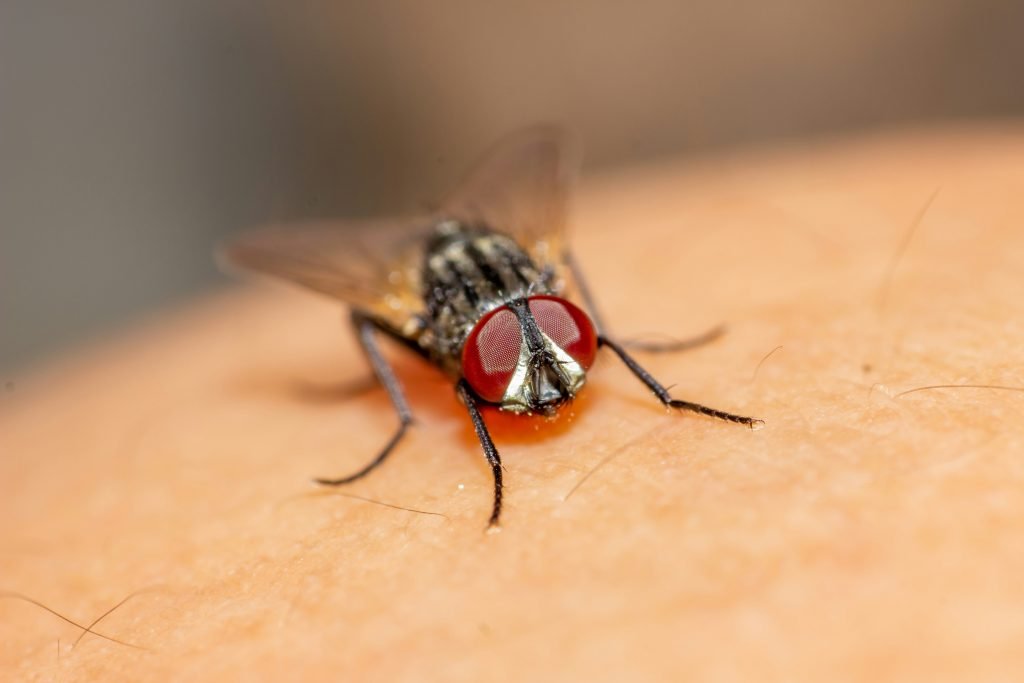
Let’s get real: most pet owners buy flea shampoo because their dog smells weird or itches nonstop. But here’s the dirty secret—a regular oatmeal shampoo won’t kill a single flea. A true flea remedy cleanser is formulated to do three things: kill adult fleas on contact, inhibit egg hatching, and repel new invaders.
I learned this the hard way. After adopting Miso—a scrappy Jack Russell mix—I assumed her constant scratching was just “nervous energy.” I used a popular lavender-oat shampoo labeled “soothing for itchy skin.” Spoiler: it did zero against fleas. Within a week, I found eggs in my laundry basket. Cue panic, steam cleaning, and a $120 vet bill.
Fleas aren’t just annoying—they’re dangerous. The Companion Animal Parasite Council (CAPC) reports that fleas can transmit tapeworms, Bartonella (“cat scratch fever”), and even cause flea allergy dermatitis (FAD), where a single bite triggers weeks of inflammation.
How to Choose a Truly Effective Flea Remedy Cleanser
What ingredients should you look for—and avoid?
Optimist You: “Natural is always better!”
Grumpy You: “Ugh, fine—but only if ‘natural’ means it actually works and doesn’t burn my dog’s eyes.”
Here’s the truth: “natural” isn’t regulated in pet care. Coconut oil? Great moisturizer. Neem oil? Peer-reviewed studies (like this one in Parasitology Research, 2021) show it repels and kills fleas. But “herbal blend #7”? Marketing noise.
Look for these proven actives:
- Pyrethrins (from chrysanthemums): Fast-acting neurotoxin to adult fleas. Safe for dogs—but deadly to cats. Never use on felines.
- Sodium Lauryl Sarcosinate: A gentle surfactant that lifts fleas without stripping skin barrier.
- Neem Oil or Citronella: Repellent + anti-larval properties.
- IGRs like Pyriproxyfen: Stops eggs from hatching (critical for breaking reinfestation cycles).
Terrible Tip Alert 🚫
“Just use dish soap—it drowns fleas!” Nope. While Dawn can remove grease (and yes, temporarily immobilize fleas), it’s pH 9+ versus your dog’s skin pH of 5.5–7.0. Repeated use = dry, cracked skin, secondary infections, and misery. Don’t DIY your dog’s dermatological crisis.
Best Practices for Using Flea Shampoo Safely & Effectively
How long should you leave it on?
MOST PEOPLE RINSE TOO FAST. For adulticides like pyrethrins to work, you need 5–10 minutes of contact time. Set a timer! Massage gently into the coat—from neck to tail, avoiding eyes and ears.
Frequency matters
- Active infestation: Bathe every 7–10 days for 4 weeks (covers full flea life cycle).
- Maintenance: Once monthly during peak season (spring–fall).
Always pair with environmental control
A bath kills fleas on the dog—but 95% of the infestation lives in your carpets, bedding, and yard. Vacuum daily, wash linens in >130°F water, and consider an IGR spray for baseboards.
Real Results from Real Dogs: Case Studies That Worked
Case Study #1: Bella, 3-year-old Lab Mix
Bella arrived at my clinic covered in scabs, with a flea comb yielding 30+ adults in one pass. Owner had used “natural flea shampoo” weekly for a month with no improvement.
We switched to a vet-formulated flea remedy cleanser containing 0.15% pyrethrins + 0.5% pyriproxyfen (e.g., Veterinary Formula Clinical Care Flea & Tick Shampoo). Paired with oral nitenpyram (Capstar) for rapid knockdown and environmental treatment. By day 10: zero live fleas. By week 3: skin healing, no more scratching.
Case Study #2: Milo, Senior Poodle (Sensitive Skin)
Milo couldn’t tolerate pyrethrins. We used a saponified coconut oil + neem formula (Earthbath Flea & Tick Shampoo) with extended dwell time (8 mins). Combined with daily vacuuming and food-grade diatomaceous earth in rugs. Full clearance in 21 days—no irritation.
Frequently Asked Questions About Flea Remedy Cleansers
Can I use human shampoo as a flea remedy cleanser?
No. Human shampoos are too acidic for dogs and lack parasiticidal ingredients. You’ll worsen itching and risk chemical burns.
Are flea remedy cleansers safe for puppies?
Most are safe for puppies 12+ weeks old—but always check label age minimums. Avoid pyrethrins in pups under 10 lbs; opt for gentle neem or oatmeal-based medicated formulas.
Do “waterless” flea sprays work as well as baths?
Not for active infestations. Waterless sprays offer repellency but lack dwell time needed to kill eggs/larvae embedded in fur. Use only for maintenance between baths.
How soon after applying topical flea treatment can I bathe my dog?
Wait 48 hours. Bathing too soon washes away preventatives like Frontline or Advantage, reducing efficacy by up to 70% (per manufacturer studies).
Conclusion
A true flea remedy cleanser isn’t just soap with a gimmick—it’s a targeted tool that disrupts the flea life cycle while respecting your dog’s skin health. Look beyond cute labels: demand ingredient transparency, prioritize contact time, and never treat the dog in isolation from their environment.
Your dog’s relief starts with one smart bottle choice. And maybe some extra couch vacuuming. (Sorry about that.)
Like a Tamagotchi, your dog’s flea defense needs daily attention—not just when the beeping starts.
Haiku for the Itch-Weary Pet Parent:
Fleas flee from clean suds,
Neem oil guards the sleeping pup—
Vacuum hums all night.