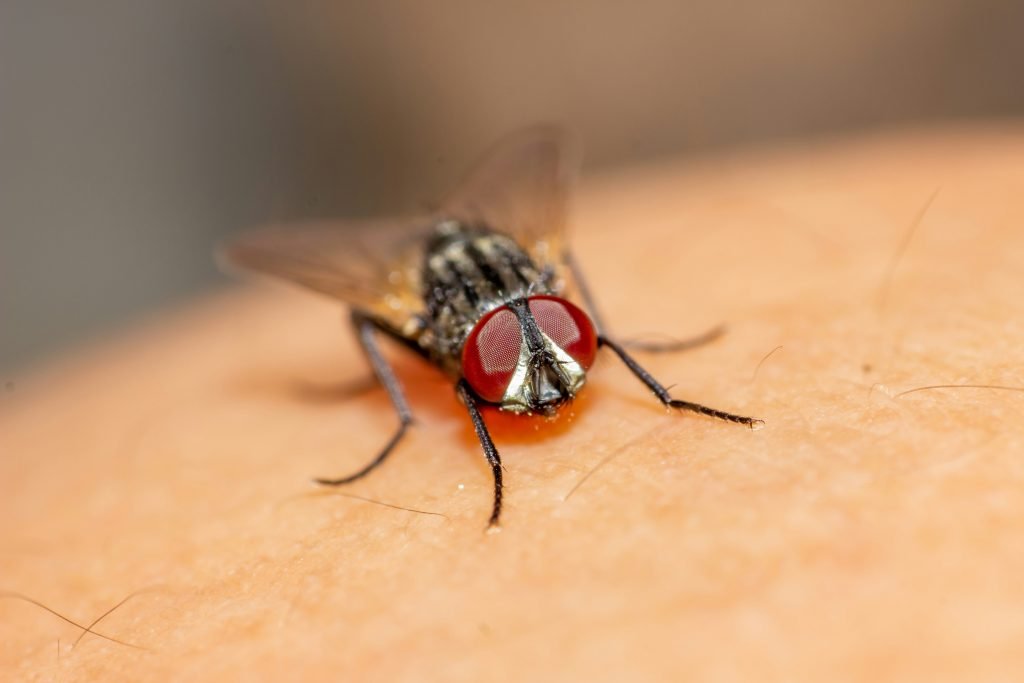
Ever spent an hour scrubbing your dog only to find they still itch like crazy? Yeah, us too. If you’re nodding along, it’s probably time to explore medicated shampoo options that actually work. Today, we’re diving deep into the world of pet grooming products—specifically shampoos designed to tackle everything from allergies to fungal infections. By the end of this post, you’ll know how to pick the best medicated shampoo for your pet and dodge common mistakes owners make.
Table of Contents
- The Itch That Won’t Quit: Why Medicated Shampoos Matter
- How to Choose the Right Medicated Shampoo
- Top Tips for Using Medicated Shampoos Effectively
- Real Success Stories with Medicated Shampoos
- Frequently Asked Questions About Medicated Shampoo Options
Key Takeaways
- Medicated shampoos can treat conditions like dermatitis, yeast infections, and fleas better than regular grooming products.
- Choosing the wrong medication can worsen symptoms, so vet consultations are crucial before making a purchase.
- Application techniques matter just as much as product choice—don’t skip pre-bath prep or rinse instructions!
The Itch That Won’t Quit: Why Medicated Shampoos Matter
Let me tell you about the great flea fiasco of 2022. I picked up what I thought was a “miracle cure” shampoo at the pet store because Rufus, my golden retriever, had been scratching himself raw. After one use, his skin flared up worse than ever—he looked like he’d gone ten rounds with a cactus. Ugh. Turns out, not all medicated shampoos are created equal.
Why does this happen? Many owners grab whatever looks fancy on the shelf without consulting their vet first. And trust me, nobody wants to deal with angry red rashes or endless itching after bath time. Enter medicated shampoos—these specialized formulas contain ingredients like oatmeal, chlorhexidine, ketoconazole, and hydrocortisone, which target specific issues such as dryness, inflammation, or infection.
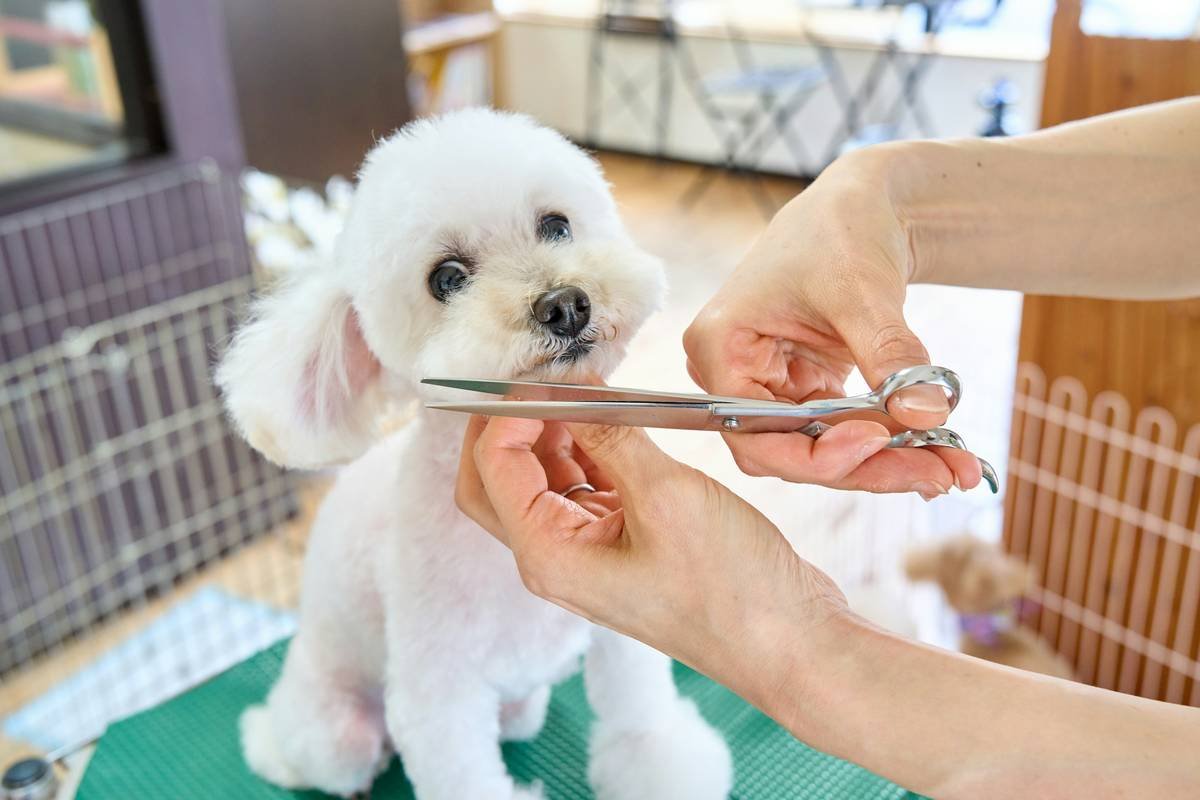
Figure 1: Skin irritation in pets often requires targeted treatment, like medicated shampoos.
How to Choose the Right Medicated Shampoo
Step 1: Identify Your Pet’s Issue
Optimist You:* “Oh, it’s just some minor itching!”
Grumpy You: “Ugh, nope—it could be mange, allergies, or even parasites.”*
Before buying anything, determine what’s causing your pet’s discomfort. Common culprits include:
- Allergies: Look for hypoallergenic formulations.
- Fungal Infections: Ketoconazole-based shampoos work wonders here.
- Bacterial Skin Issues: Chlorhexidine is your go-to ingredient.
Step 2: Consult Your Vet
Yes, really. No skipping this step unless you want another round of the dreaded flea fiasco mentioned earlier. Vets can recommend tested brands tailored to your pet’s needs.
Step 3: Check Ingredients Carefully
Some medicated shampoos contain harsh chemicals that might irritate sensitive animals. Stick to natural yet effective options whenever possible.

Figure 2: Always read labels carefully to ensure safety and efficacy.
Top Tips for Using Medicated Shampoos Effectively
- Patch Test First: Apply a small amount behind your pet’s ear to check for adverse reactions.
- Bath Prep Matters: Brush out tangles and dirt beforehand for optimal results.
- Stick to Instructions: Overusing medicated shampoo can dry out your pet’s skin—follow guidelines religiously.
- Terrific Tip Gone Wrong: Never mix two medicated shampoos together unless explicitly advised by a professional. (Trust me—I learned this the hard way.)
Real Success Stories with Medicated Shampoos
Meet Bella, a cocker spaniel who battled chronic ear infections for years. Her owner switched to a medicated shampoo containing chlorhexidine, paired with weekly cleaning routines. Within three months, her recurrent infections vanished. Another success story involves Max, a bulldog whose persistent hot spots cleared up thanks to an antifungal formula rich in ketoconazole.
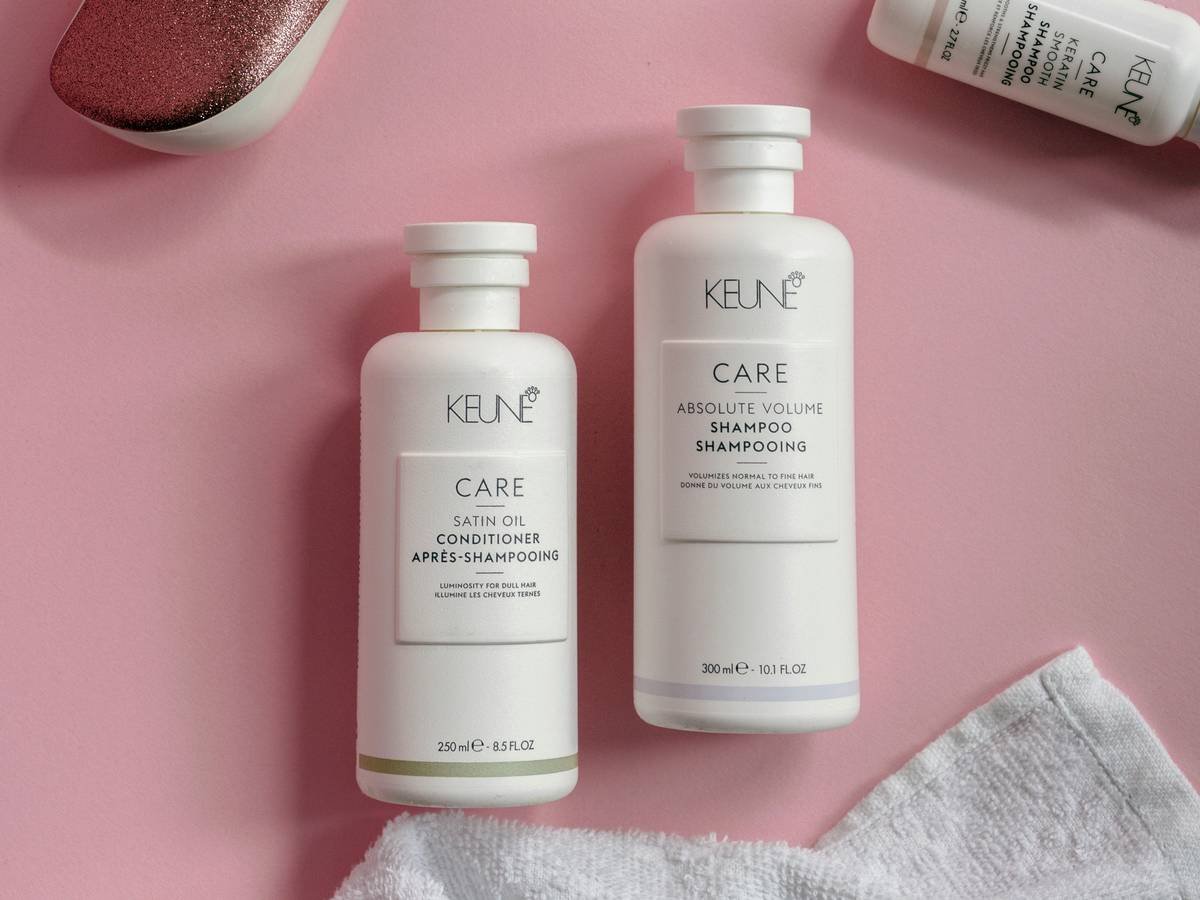
Figure 3: Happy, healthy dogs = happy pet parents!
Frequently Asked Questions About Medicated Shampoo Options
Q: Can I use human medicated shampoo on my pet?
Absolutely not. Human products can disrupt your pet’s pH balance, leading to further irritation.
Q: How often should I bathe my pet with medicated shampoo?
Typically every 7–10 days, depending on your vet’s advice. Over-bathing can strip essential oils from their coat.
Q: Are organic medicated shampoos safer?
Not necessarily. Organic doesn’t always mean effective; focus on proven ingredients instead of buzzwords.
Conclusion
In conclusion, navigating medicated shampoo options doesn’t have to feel overwhelming. Start by identifying your pet’s issue, consulting your vet, and choosing products wisely. Remember, application matters almost as much as selection. With these steps, you’ll wave goodbye to endless scratches and hello to shiny, healthy coats.
*Bonus Haiku Time!*
Bubbles soothe the itch,
Skin heals under expert care,
Happy wagging tails.*