“Ever seen your dog scratch like a DJ spinning records after bath time? Yeah, it’s probably the shampoo.”
Shampoos packed with harsh chemicals might get your pet squeaky clean, but they can wreak havoc on their sensitive skin. That’s why we’re diving into the world of Gentle Cleansing Agents—the unsung heroes in pet grooming products. By the end of this post, you’ll know exactly what to look for when shopping for pet shampoos, how to avoid common mistakes, and even a few pro tips along the way.
Table of Contents
Key Takeaways
- Gentle cleansing agents reduce irritation while keeping pets clean.
- Sulfate-free formulas are often safer for pets with allergies or sensitive skin.
- Picking the wrong shampoo can lead to dryness, itchiness, and discomfort.
- You don’t need to break the bank; affordable options work wonders if chosen wisely.
What’s Wrong with Regular Shampoos?
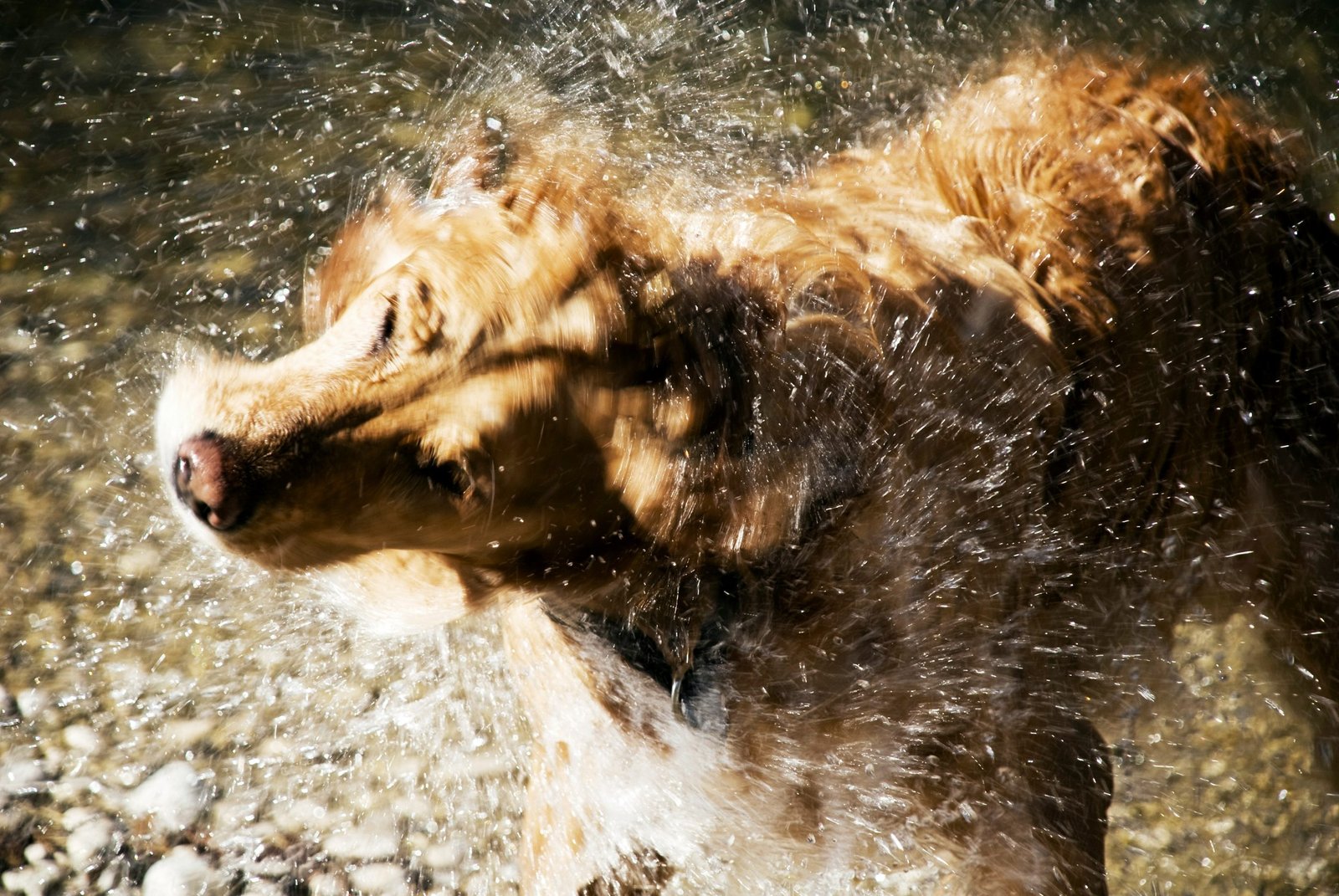
Here’s a confession: I once bought a random drugstore shampoo because it smelled amazing (vanilla dreams, anyone?). Within days, my poor pup started rolling around like he was trying out for Cirque du Soleil. Turns out, regular human-grade shampoos can strip away natural oils from your pet’s coat and irritate their skin.
Unlike humans, our furry friends have different pH levels in their skin. A product designed for us could leave them dealing with flaky patches, rashes, or worse—hot spots. And trust me, no one wants that *whirrrr*-of-doom sound coming from Fido’s incessant scratching!
So, What Are Gentle Cleansing Agents Anyway?
Gentle cleansing agents are ingredients specifically formulated to cleanse without damaging skin barriers. Common examples include:
- Cocamidopropyl Betaine: Derived from coconut oil, this agent provides foam without stripping moisture.
- Decyl Glucoside: A plant-based surfactant that cleans effectively without causing irritation.
- Oatmeal Extract: Not just for breakfast! Oatmeal soothes itchiness and nourishes dry skin.
Think of these as the “Goldilocks” ingredients—not too harsh, not too weak, but juuuust right.
How Do You Choose the Perfect Shampoo?
Optimist You: “Okay, I’ll grab any ‘gentle’ shampoo!”
Grumpy You: “Oh, honey. No.”
Choosing the best shampoo involves more than glancing at labels. Here’s your step-by-step guide:
Step 1: Check for Sulfate-Free Formulations
Avoid sulfates like Sodium Lauryl Sulfate (SLS), which can cause irritation and excessive dryness. Instead, opt for products emphasizing mild alternatives like those listed above.
Step 2: Look for Skin-Soothing Ingredients
Ingredients like aloe vera, chamomile, and oatmeal aren’t just trendy buzzwords—they actually help calm irritated skin.
Step 3: Match the Product to Your Pet’s Needs
If your pet has allergies, go hypoallergenic. For double-coated breeds, pick detangling properties. If they stink worse than gym socks? Yep, there’s an odor-neutralizing formula for that.
Best Practices for Bath Time Success
Beyond picking the right product, using it correctly is half the battle. Follow these top tips:
- Lukewarm Water Only: Hot water dries out skin faster than stale popcorn loses its crunch.
- Dilute Before Applying: Mix a little shampoo with water to ensure even coverage.
- Rinse Thoroughly: Leaving residue behind defeats the purpose of ‘gentle cleansing.’
<
Pro Tip: Use a rubber grooming brush during lathering—it exfoliates gently and helps spread suds evenly.
Real-Life Examples of Happy Pups (& Owners)
Let’s zoom in on two success stories:
Case Study #1: Max the Golden Retriever
Max used to suffer from chronic itching until his owner switched him to a shampoo containing oatmeal extract and decyl glucoside. Three months later? Flakes? Gone. Scratches? Minimal.
Case Study #2: Luna the Sphinx Cat
Yep, cats need baths sometimes too! Luna’s mom found a sulfate-free, hypoallergenic shampoo perfect for her hairless breed. Now she gleams like a polished gemstone—and doesn’t smell like canned tuna anymore.
Frequently Asked Questions About Gentle Cleansing Agents
Q: Can I use baby shampoo instead of pet shampoo?
Absolutely not. Baby shampoo is made for—you guessed it—babies! It might still irritate your pet’s delicate skin.
Q: Are all natural shampoos safe?
Natural doesn’t always mean gentle. Some natural ingredients (like essential oils) can be toxic to pets. Always check with your vet.
Q: How often should I bathe my dog?
Once every four to six weeks is standard unless your vet advises otherwise.
Conclusion: The Wrap-Up
Remember, bathing isn’t just about cleanliness—it’s about comfort. By choosing a shampoo infused with gentle cleansing agents, you’re showing love through action. Prioritize ingredients like cocamidopropyl betaine or oatmeal extracts, follow bath-time best practices, and watch your pet transform into a shiny, happy version of themselves.
Now go forth and conquer bath time like a boss. And remember—treat yo’ pet!
Oh, and here’s a bonus haiku for your troubles:
Bubbles float away,
Paws splash soft in warm waters,
Happy tails wag free.