“Ever spent an hour scrubbing your dog only to see them scratch like crazy afterward? Yeah, that might be your shampoo’s fault.”
We’ve all been there—standing in the pet store aisle, staring at rows of colorful shampoo bottles, wondering which one is *actually* worth your money. But here’s the truth: not all shampoos are created equal. If you’re ignoring the words “pH-balanced skin solution,” you’re doing your furry friend a disservice.
In this post, we’ll uncover why pH balance matters for your pet’s skin, how to find the right grooming products, and some insider tips (and fails) along the way. By the end, you’ll know exactly what to look for to keep your pet happy, healthy, and itch-free.
Table of Contents
- Why pH Balance Matters for Pets
- Step-by-Step Guide to Choosing the Right Shampoo
- Top Tips for Using pH-Balanced Shampoos
- Real-World Examples That Prove It Works
- Frequently Asked Questions About pH-Balanced Shampoos
Key Takeaways
- A pH-balanced skin solution prevents irritation, dryness, and infections in pets.
- Pets have different pH levels than humans, so human shampoo can harm their skin.
- Choosing the right shampoo involves checking ingredients, understanding your pet’s needs, and reading reviews.
- Troubleshooting common issues like itching or redness starts with switching to a pH-balanced formula.
Why pH Balance Matters for Pets
Before diving into product recommendations, let’s talk science—don’t worry; it won’t get too nerdy. Here’s the deal:
The term “pH” refers to how acidic or alkaline something is. Human skin has a pH level around 5.5, slightly acidic. Dogs and cats? Theirs hovers between 6.2 and 7.5. When you use a shampoo designed for humans on your pet, you disrupt their natural pH balance, leading to problems like:
- Dry, flaky skin
- Irritation and redness
- Increased risk of bacterial or fungal infections
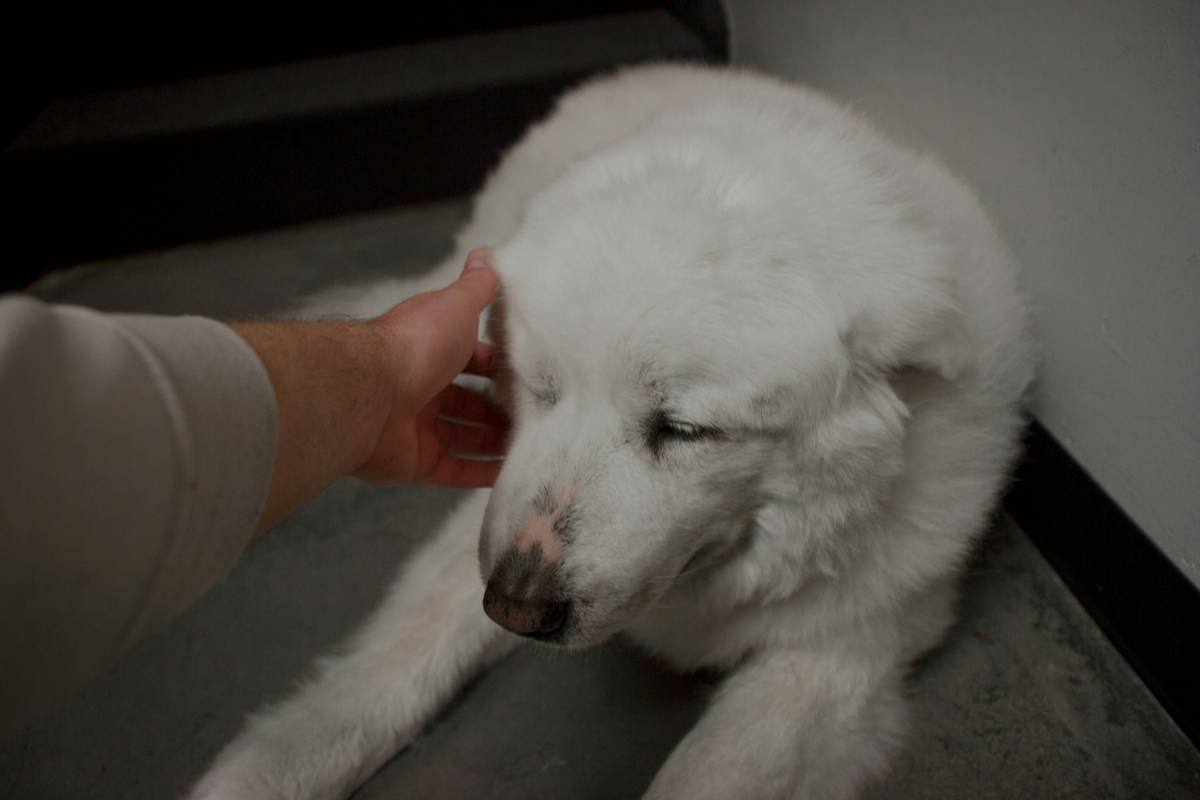
Confessional Fail: Once, I used my own lavender-scented body wash on my dog because I ran out of his shampoo. Big mistake. He ended up scratching himself raw for days. Lesson learned: Always keep backup pet shampoo!
Step-by-Step Guide to Choosing the Right Shampoo
Optimist You: “There are so many options—I’m sure I’ll find the perfect fit!”
Grumpy You: “Ugh, fine—but only if coffee’s involved.”
Here’s how to make smart choices without losing your sanity:
Step 1: Understand Your Pet’s Skin Type
Does your pup have sensitive skin? Is your cat prone to dandruff? Different conditions require tailored solutions. Look for labels that mention:
- Hypoallergenic formulas for sensitive skin
- Moisturizing agents like oatmeal or aloe vera
- Antibacterial properties for pets prone to infections
Step 2: Check Ingredients
Avoid sulfates, parabens, and artificial fragrances. Instead, opt for natural ingredients like coconut oil, chamomile, or shea butter. Bonus points if the label explicitly says “pH-balanced skin solution.”
Step 3: Read Reviews
No one wants to be guinea pigs. Before buying, check customer feedback to ensure others haven’t faced issues with the product.
Top Tips for Using pH-Balanced Shampoos
- Pre-Bath Prep: Brush your pet thoroughly to remove loose fur and tangles.
- Warm Water Only: Cold water shocks their system, while hot water dries out their skin. Aim for lukewarm goldilocks zone vibes.
- Rinse Thoroughly: Leftover residue causes more harm than good. Rinse until the water runs clear.
- Terrible Tip Disclaimer: Don’t skip conditioner if your pet’s coat feels stiff post-shampoo. Yes, even pets need conditioning sometimes.
Real-World Examples That Prove It Works
Case Study #1: Meet Max, a Golden Retriever who suffered from chronic ear infections due to improper grooming products. After switching to a veterinarian-recommended pH-balanced shampoo, his owners noticed significant improvement within weeks.
Case Study #2: Luna, a Persian cat, developed severe dandruff despite regular baths. Her vet suggested a hypoallergenic, pH-balanced formula, which cleared up her condition completely.
Frequently Asked Questions About pH-Balanced Shampoos
Can I Use Baby Shampoo on My Dog?
Technically, yes—but baby shampoo isn’t formulated for pets. Over time, it may disrupt their pH balance. Stick to pet-specific formulas whenever possible.
How Often Should I Bathe My Pet?
For most dogs, once every 4–6 weeks suffices. Cats typically clean themselves but may need occasional baths if they develop odors or matting.
What If My Pet Still Itches After Switching Shampoos?
Itching could indicate allergies, parasites, or underlying health issues. Consult a vet before trying another product.
Conclusion
Finding the right shampoo goes beyond scent and price—it’s about safeguarding your pet’s skin health. Armed with knowledge about pH-balanced skin solutions, you’re now ready to conquer the grooming aisle like a pro.
So next time you bathe your furry companion, remember: Good grooming = good vibes. And hey, treat yourself to a latte afterward—you earned it.
Random Haiku:
Bubbles down the drain,
Paws soft as clouds in springtime,
Pet care = love pure.