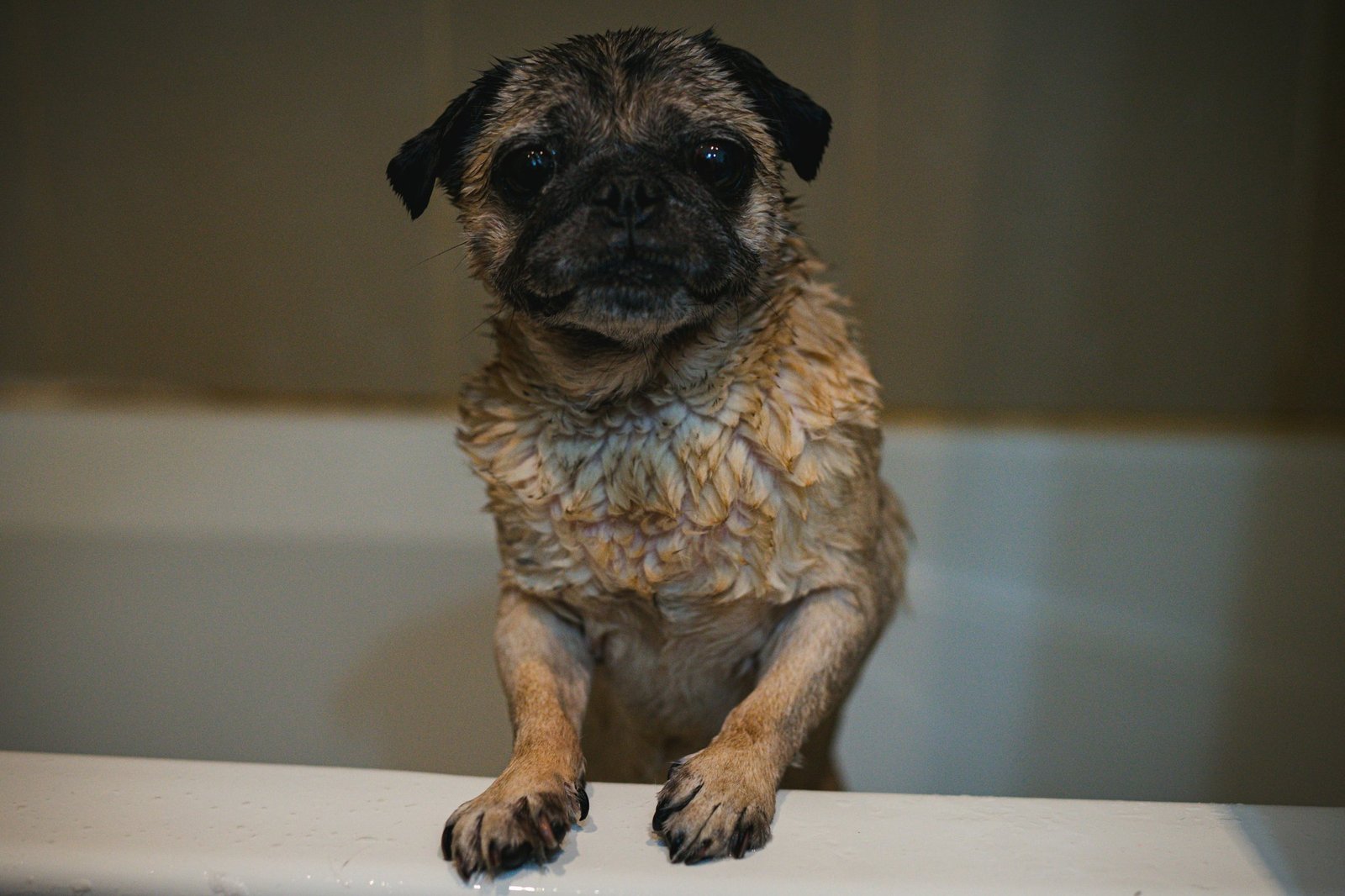
Ever wondered why your dog’s skin is itchier than a flea-infested carpet? Or why your cat has random dry patches that make you want to smother them in lotion? Turns out, your pet’s skin isn’t just “furry human skin”—it’s its own delicate ecosystem. And using the wrong shampoo can throw their skin pH balance completely out of whack. Let’s talk about how to fix that—for them and for you.
In this post, we’ll dive into why pet skin pH matters, how to choose the right shampoo, and actionable tips to ensure your fur baby stays happy and healthy. Plus, bonus: you’ll walk away with a rant-worthy story about that time I bought the wrong shampoo for my German Shepherd. Spoiler alert: it wasn’t pretty.
Table of Contents
- Why Pet Skin pH Matters
- How to Choose the Right Shampoo for Your Pet
- Top Tips for Grooming with pH-Balanced Shampoos
- Real-World Success Stories
- FAQs About Pet Skin pH Shampoo
Key Takeaways
- Pet skin has a unique pH level (around 6.2–7.5), different from humans, making specialized shampoos essential.
- The wrong pH shampoo can lead to irritation, infections, or long-term skin issues.
- Ingredients like oatmeal, aloe vera, and natural oils are often included in high-quality pet shampoos.
- Always patch-test before fully committing to a new product—your dog will thank you!
Why Pet Skin pH Matters
Picture this: I once bought what I thought was THE holy grail shampoo for my dog, Max. It smelled like lavender fields on steroids, and the label said “Gentle Formula.” Two days later, Max looked like he had auditioned for a role as Rudolph—with red, irritated skin all over his belly. Lesson learned: not all shampoos are created equal.
Pets’ skin pH is slightly more alkaline than ours, sitting between 6.2 and 7.5 (humans typically range from 4.5 to 6). If you use a human shampoo, which disrupts this pH balance, their skin barrier becomes compromised. This opens the door to bacteria, yeast infections, and endless scratching sessions at midnight. No bueno.
Optimist You: “There’s gotta be an easier way!”
Grumpy Me: “Yeah, but only if you stop grabbing whatever’s on sale first.”
How to Choose the Right Shampoo for Your Pet
Before you hit “Add to Cart,” let’s break down exactly what to look for in a pet skin pH shampoo. Not all products marketed as “pet-friendly” actually deserve the title. Here’s your checklist:
Step 1: Look for Neutral pH Formulas
Always check the label for something explicitly mentioning a balanced pH formula. Anything too acidic or alkaline can wreak havoc on your pet’s coat.
Step 2: Scan the Ingredient List
Quality matters. Ingredients like colloidal oatmeal soothe sensitive skin, while natural oils (e.g., coconut oil) moisturize without clogging pores. Avoid harsh detergents like sodium lauryl sulfate—they strip away moisture faster than a tumbleweed in the wind.

Step 3: Consider Specific Needs
- Got allergies? Opt for hypoallergenic options.
- Flea season? Try medicated formulas recommended by your vet.
- Dry skin? Moisturizing shampoos infused with conditioners work wonders.
Rant Alert: Stop falling for beautifully packaged gimmicks! Just because it costs $50 doesn’t mean it works better than a trusted vet-recommended brand.
Top Tips for Grooming with pH-Balanced Shampoos
Buying the right shampoo is half the battle; using it correctly seals the deal.
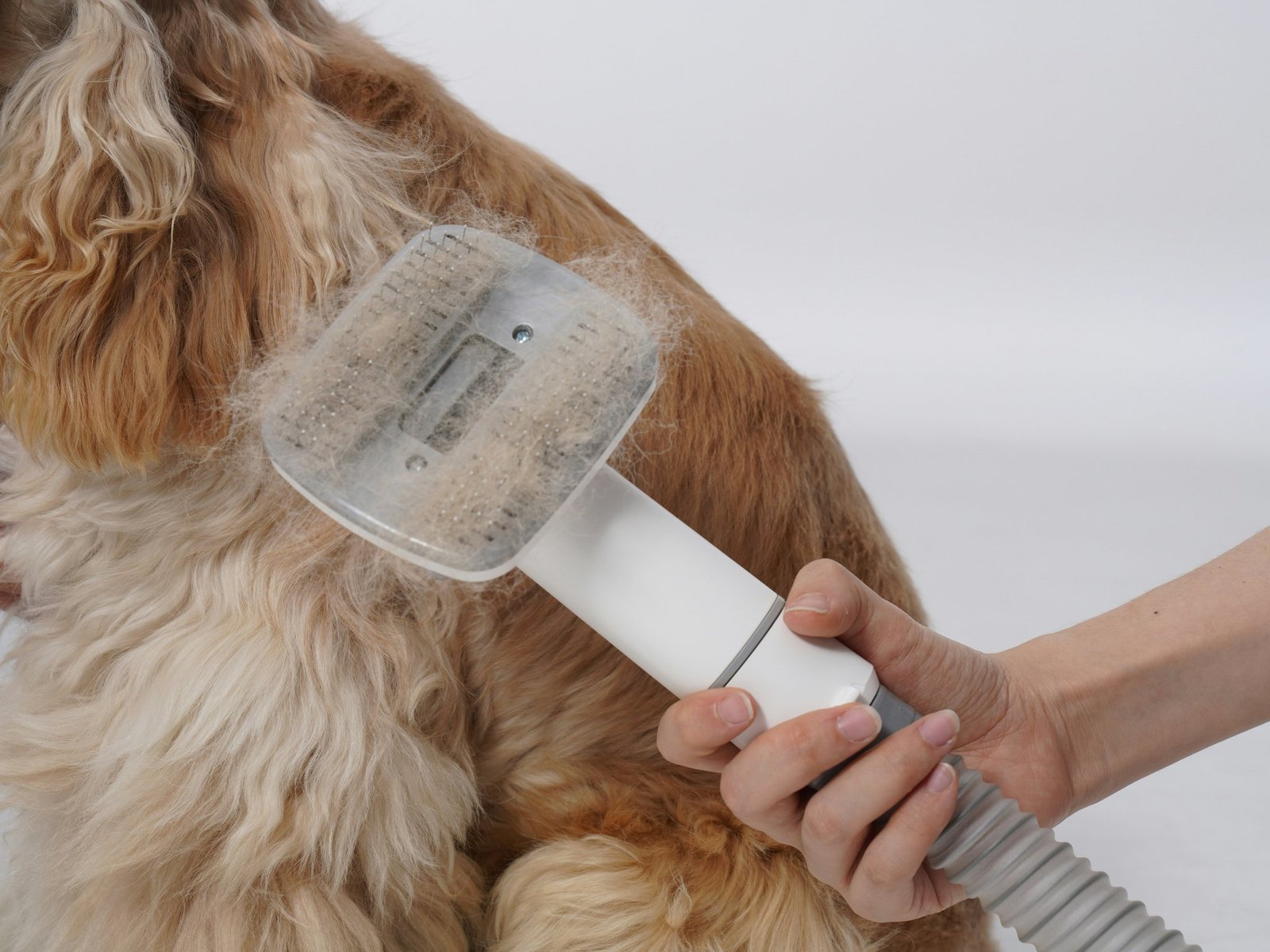
- Pre-bath brushing: Remove mats and dead hair so the shampoo can penetrate evenly.
- Patch test first: Apply a small amount behind your pet’s ear to avoid allergic reactions.
- Lather gently: Focus on massaging rather than scrubbing their delicate skin.
- Rinse thoroughly: Leftover residue can irritate even the best pH-balanced formulas.
- Towel dry carefully: Pat instead of rub to prevent tangling and discomfort.
Terrible Tip Disclaimer: Don’t ever skip rinsing thinking it’ll save time—it won’t. Trust me.
Real-World Success Stories
Take Sarah from Minnesota, whose Persian cat Charlie suffered chronic dandruff until she switched to a pH-balanced oatmeal shampoo specifically formulated for cats. After two months, his coat was shinier than ever. Or Jake from Texas, whose pitbull Ruby finally stopped chewing her paws thanks to a veterinary-grade shampoo designed for allergy-prone dogs.
These success stories prove one thing: investing in quality pays off—not just for your wallet, but for your pet’s health and happiness.
FAQs About Pet Skin pH Shampoo
Q: Can I use baby shampoo instead of pet-specific shampoo?
A: Nope! Baby shampoo may seem gentle, but it’s still formulated for human skin pH. Stick to pet-specific options.
Q: How often should I bathe my dog/cat?
A: Generally, every four to six weeks unless your vet advises otherwise.
Q: What do I do if my pet has a bad reaction?
A: Rinse immediately and consult your veterinarian ASAP.
Conclusion
Your pet deserves a shampoo tailored to their unique skin needs. By understanding the importance of pet skin pH and choosing wisely, you’re taking steps toward healthier, happier grooming routines. So next time you grab that bottle, ask yourself: Is this chef’s kiss for my fur baby’s skin?
Like a Tamagotchi, your pup’s skincare routine requires daily care—but trust me, they’ll repay you in tail wags and cuddles. 🐾✨
(Bonus haiku because life’s better with poetry!)
Fuzzy face, wet nose,
Soft fur shines under moonlight—
Shampoo changed it all.