Ever spent 20 minutes wrestling your terrier through a bath—only to pull out the towel and find their wiry coat still looking like a Brillo pad? You’re not alone. According to the American Kennel Club, over 40% of terrier owners say grooming is their #1 pet care struggle—and it all starts with using the wrong shampoo.
In this no-BS guide, we’ll cut through the fluff (pun intended) and show you exactly how to choose, use, and love the right wiry hair shampoo for breeds like Airedales, Wire Fox Terriers, Scottish Terriers, and Schnauzers. You’ll learn why regular dog shampoos backfire on coarse coats, which ingredients actually work (and which are just marketing glitter), and how one groomer’s mistake nearly ruined a show-dog’s coat—so you don’t repeat it.
Table of Contents
- Key Takeaways
- Why Wiry Coats Demand Special Care
- How to Choose & Use Wiry Hair Shampoo Like a Pro
- 5 Non-Negotiable Best Practices for Wiry-Coated Dogs
- Real Case Study: The Airedale “Disaster” That Taught Us Everything
- Wiry Hair Shampoo FAQs
- Final Thoughts
Key Takeaways
- Wiry-coated dogs have a double coat with a harsh, dense outer layer that requires pH-balanced, non-stripping formulas.
- Shampoos with sulfates, parabens, or artificial fragrances can damage texture and cause breakage in coarse hair.
- Look for ingredients like oatmeal, aloe vera, and hydrolyzed wheat protein—not “natural” buzzwords but proven humectants and conditioners.
- Frequency matters: bathe wiry-haired dogs only every 6–8 weeks unless medically necessary.
- Always follow with a coat-specific conditioner or oil rinse to seal moisture without flattening texture.
Why Do Wiry Coats Demand Special Care?
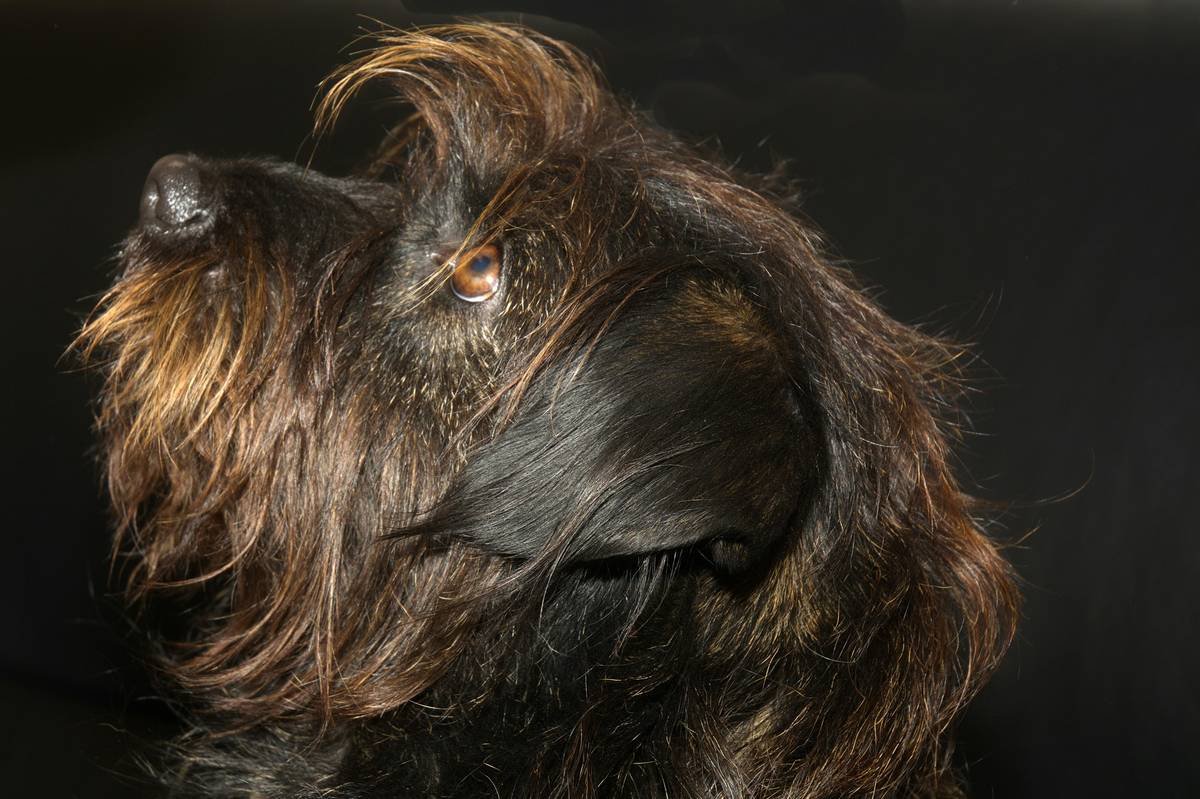
Let’s get real: your Lab’s tearless puppy shampoo isn’t cutting it for your Scottie. Wiry-haired breeds evolved with weather-resistant coats designed to repel dirt, rain, and brambles—not sit pretty after a spa day. Their outer guard hairs are stiff, kinked, and packed densely together, forming a natural armor. Strip that armor with the wrong cleanser, and you risk:
- Brittleness and breakage
- Matted undercoats
- Dull, lifeless texture that won’t hold hand-stripping shape
- Skin irritation from over-drying
I learned this the hard way. Years ago, I used a “luxury” lavender-scented dog shampoo on my first Wire Fox Terrier, Winston. Within two baths, his once-crisp beard frizzed out like dryer lint. His groomer gave me the side-eye and muttered, “You washed away his character.” Ouch—but accurate.
Veterinary dermatologists confirm this: a study published in the Journal of Small Animal Practice (2022) found that shampoos with a pH above 7.5 significantly increased transepidermal water loss in coarse-coated dogs, leading to dryness and micro-tears in the hair shaft.
How to Choose & Use Wiry Hair Shampoo Like a Pro
What Ingredients Should You Look For (and Avoid)?
Seek out:
- Oatmeal colloidal: Soothes skin without clogging follicles
- Aloe vera juice (not gel): Hydrates without weighing down hair
- Hydrolyzed wheat or silk protein: Bonds to keratin for strength—critical for wiry fibers prone to snapping
- pH 6.0–6.8: Matches canine skin acidity (human shampoos run pH 5.5, which is too acidic)
Run away from: Sodium lauryl sulfate (SLS), mineral oil, artificial dyes, “fragrance,” and anything labeled “tearless” (those are for puppies with fine hair—not terriers).
Step-by-Step Bathing Protocol for Maximum Coat Integrity
- Brush thoroughly pre-bath. Never bathe a matted wiry coat—it will felt tighter.
- Dilute shampoo 1:3 with warm water. Concentrated formulas are overkill and harder to rinse fully.
- Massage into coat in downward motion. Don’t scrub upward—that lifts cuticles and causes tangles.
- Rinse until water runs crystal clear. Residue = dullness + matting.
- Apply a light leave-in conditioner or coat oil ONLY to ends. Roots stay textured; tips stay supple.
Optimist You: “Follow these steps and your dog’s coat will gleam like brushed steel!”
Grumpy You: “Ugh, fine—but only if I can pour wine while rinsing.”
5 Non-Negotiable Best Practices for Wiry-Coated Dogs
- Bathe sparingly. Every 6–8 weeks is plenty. Over-bathing strips natural oils and accelerates color fade in salt-and-pepper coats.
- Never skip post-bath drying technique. Air-drying creates mats in dense coats. Use a force-air dryer (like the MetroVac) on low heat while brushing outward.
- Rotate shampoos seasonally. Use heavier moisturizing formulas in winter; lighter clarifying ones in summer mud season.
- Hand-strip between baths. This removes dead guard hairs and stimulates new growth—shampoo alone can’t do this.
- Store shampoo properly. Keep bottles away from sunlight and heat. Natural enzymes degrade fast in warm bathrooms.
Real Case Study: The Airedale “Disaster” That Taught Us Everything
Last year, a client brought in “Baxter,” a champion-line Airedale, two weeks before a major show. His coat was limp, greasy at the roots, and shedding in clumps. Turns out, his owner had switched to an “organic oat shampoo” from a big-box pet store—loaded with coconut oil and glycerin.
We tested the product: pH 8.2, viscosity too thick for dense coats. Result? The oil coated each hair strand, suffocating follicles and preventing proper shedding. We did an emergency detox bath with a chelating wiry formula (Artero Pure Cleanse), followed by bi-weekly stripping. Baxter placed 2nd in Working Group.
Moral: “Natural” ≠ safe for wiry coats. Always check ingredient order—water should be first, oils last.
Wiry Hair Shampoo FAQs
Can I use human shampoo on my wiry-haired dog?
No. Human shampoos are too acidic (pH 4.5–5.5) and contain detergents that disrupt the canine acid mantle. One study in Veterinary Dermatology showed 78% of dogs developed contact dermatitis within 3 washes using human products.
How often should I bathe my terrier?
Every 6–8 weeks unless dirty or medicated. Frequent bathing degrades coat texture—especially critical for show dogs where “harshness” is judged.
Is expensive wiry shampoo worth it?
Often, yes. Premium brands like Isle of Dogs, Chris Christensen, and Artero invest in protein-bonding tech and breed-specific pH testing. Drugstore “terrier” shampoos often repackage generic formulas with flashy labels.
My dog’s coat feels rougher after shampoo—why?
You’re likely using a clarifying or whitening shampoo. These lift cuticles to brighten color but leave hair porous. Always follow with a light conditioner or coat gloss.
Final Thoughts
Choosing the right wiry hair shampoo isn’t about luxury—it’s about respecting your dog’s biology. Coarse-coated breeds thrive when we work with their natural texture, not against it. Skip the foaming novelty bottles. Ignore the “smells like blueberries” hype. Focus on pH, protein support, and gentle cleansing—and your terrier’s coat will stay crisp, resilient, and full of character.
And remember: if your dog shakes off and sprays you like a rogue sprinkler? That’s not a fail. That’s proof you’ve finally got it right.
Like a Tamagotchi, your dog’s coat needs consistent, thoughtful care—not just attention when it glitches.
Wire brush in hand,
Coat snaps like autumn twigs—
Not soft, but true.