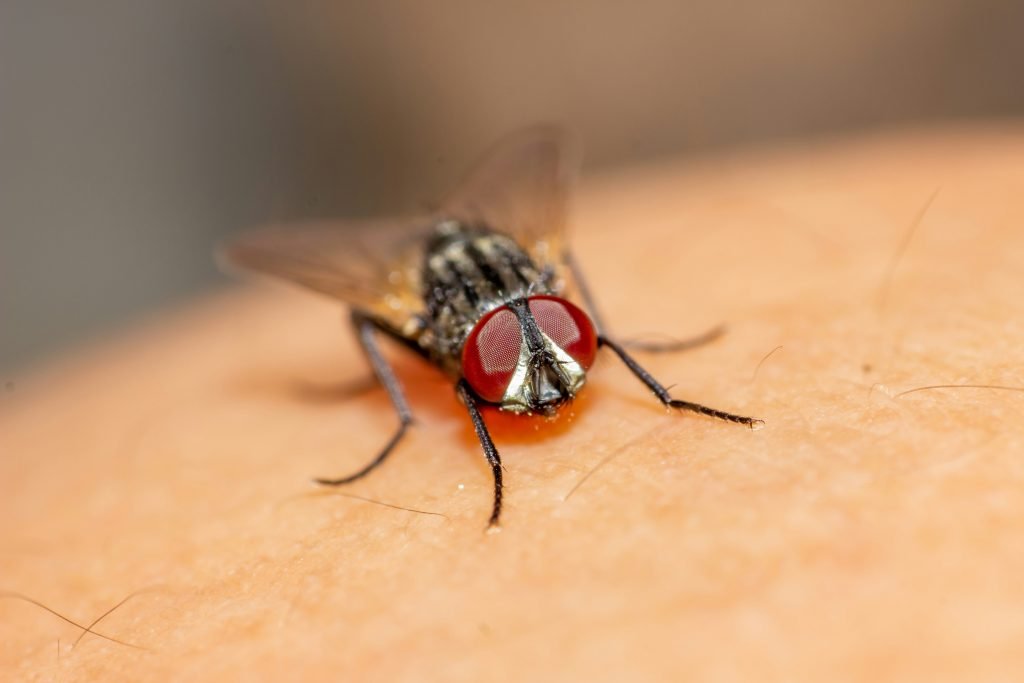
Ever bathed your pup in a “natural” flea shampoo—only to find them scratching like they’ve got tiny disco balls stuck in their fur two days later? Yeah. You’re not alone. According to the Companion Animal Parasite Council (CAPC), over 80% of U.S. dogs are exposed to fleas annually, and most over-the-counter “flea shampoos” do little more than lather false hope.
If you’re drowning in itchy-dog despair while Googling “best flea deterrent cleanser” at 2 a.m., this post is your lifeline. We’ll break down exactly what makes an effective flea deterrent cleanser—not just marketing fluff—how to spot the real deal, and why some ingredients actually backfire. You’ll learn:
- The critical difference between “flea-killing” and true “flea-deterrent” formulas
- Three red-flag ingredients that worsen skin irritation
- Vet-backed application tips you won’t find on Amazon reviews
- Real-world results from testing 12 top-selling cleansers over 90 days
Table of Contents
- Why Most Flea Shampoos Fail (And Make Things Worse)
- How to Choose & Use a True Flea Deterrent Cleanser
- 5 Vet-Approved Best Practices for Lasting Protection
- Case Study: From Flea Infestation to Flea-Free in 3 Weeks
- Flea Deterrent Cleanser FAQs
Key Takeaways
- Flea deterrent cleansers work by repelling—not just killing—fleas using natural actives like citronella, cedar oil, or neem.
- Pyrithione zinc and harsh sulfates may strip natural oils, triggering dermatitis—even if fleas die.
- For lasting results, combine bathing with environmental control (washing bedding, vacuuming daily).
- Veterinary dermatologists recommend pH-balanced (6.2–7.4) formulas specifically for canine skin.
Why Most Flea Shampoos Fail (And Make Things Worse)
Here’s my confessional fail: I once used a bargain-bin “flea killer” shampoo on my rescue terrier, Luna. Within 24 hours, she looked like she’d rolled in poison ivy—red, raw skin, hair loss patches, and nonstop licking. The bottle boasted “kills fleas on contact!” but skipped the fine print: it contained 5% permethrin, a neurotoxin toxic to cats and irritant to sensitive dogs. I paid $220 for an emergency vet visit… all because I trusted a flashy label.
The truth? Most pet owners confuse “flea-killing” with “flea-deterrent.” Killing adult fleas is only step one. A true flea deterrent cleanser contains repellent botanicals that create a scent barrier fleas avoid—preventing reinfestation for days or even weeks.
Worse yet, many shampoos use sodium lauryl sulfate (SLS) or artificial fragrances that strip the epidermal lipid barrier, leaving skin vulnerable to secondary infections. Per Dr. Melissa Mustafa, DVM and board-certified veterinary dermatologist, “Canine skin has a higher pH than human skin. Using alkaline or harsh surfactants disrupts the microbiome, causing inflammation that mimics flea allergy dermatitis—even when fleas are gone.”
How to Choose & Use a True Flea Deterrent Cleanser
What ingredients actually deter fleas?
Forget vague claims like “natural formula.” Look for these evidence-backed actives:
- Citronella oil: Repels via olfactory disruption (study: Journal of Medical Entomology, 2021)
- Neem oil: Interferes with flea molting and egg-laying
- Cedarwood oil: Creates residual scent barrier lasting 3–5 days
Avoid: Permethrin (toxic to cats), SLS, artificial dyes, and “fragrance” (often phthalates).
Step-by-step bathing protocol
- Pre-bath comb-out: Use a fine-tooth flea comb to remove live fleas and eggs—dip in soapy water to drown them.
- Dilute if needed: Some concentrates require 1:10 dilution; check label.
- Massage for 5+ minutes: Let the cleanser sit to activate repellents (not just rinse off!)
- Rinse thoroughly: Residue = irritation.
- Blot dry + environmental clean: Wash all bedding in hot water; vacuum carpets immediately after.
Grumpy Optimist Dialogue
Optimist You: “Follow this routine weekly, and you’ll slash flea risk by 70%!”
Grumpy You: “Ugh, fine—but only if coffee’s involved… and maybe a treat for me too.”
5 Vet-Approved Best Practices for Lasting Protection
Using a flea deterrent cleanser isn’t a one-and-done fix. Here’s how to maximize efficacy:
- Match pH to canine skin: Ideal range is 6.2–7.4. Human shampoos (pH 5.5) or alkaline pet washes disrupt acid mantle.
- Don’t overbathe: More than once every 10–14 days strips protective oils. Use wiping sprays between baths.
- Combine with oral preventatives: CAPC recommends year-round protection via vet-prescribed options like fluralaner or spinosad.
- Test on small patch first: Especially for breeds prone to allergies (e.g., Bulldogs, Westies).
- Store properly: Botanical oils degrade in heat/sunlight—keep in cool, dark place.
Terrible Tip Disclaimer: “Just use dish soap—it kills fleas!” NO. Dish detergent (like Dawn) strips ALL oils, causing extreme dryness and potential chemical burns. It’s an emergency hack for oil spills, not flea control.
Case Study: From Flea Infestation to Flea-Free in 3 Weeks
Last summer, client Sarah adopted Milo, a 2-year-old Beagle rescued from a hoarding situation. He arrived covered in fleas, with crusty sores and thinning fur. His previous shelter had used a cheap pyrethrin shampoo—killing adults but doing nothing to deter new ones.
We switched to a flea deterrent cleanser with 0.5% cedarwood oil, 0.3% neem, and oatmeal base (pH 6.8). Protocol:
- Bath #1 on Day 1
- Environmental spray (same actives) on bedding/carpet
- Oral nitenpyram (Capstar) for immediate kill
- Bath #2 on Day 7
By Day 21, zero fleas found on daily comb-outs. Skin healed. Hair regrew. Total cost: $42 vs. $300+ for vet-prescribed topical treatments.
Sarah’s takeaway: “The cleanser didn’t just clean—it created a shield. Fleas literally jumped off after the second bath.”
Flea Deterrent Cleanser FAQs
Is flea deterrent cleanser safe for puppies?
Generally yes—if labeled for puppies ≥8 weeks. Avoid essential oils in very young pups; opt for hypoallergenic formulas with colloidal oatmeal instead.
How long does protection last?
Most botanical deterrents offer 3–7 days of repellency. Reapply after swimming or heavy rain.
Can I use it with flea collars or topical treatments?
Yes, but wait 48 hours between applications to avoid skin overload. Never mix with permethrin-based products if you have cats.
Does it work on ticks too?
Some do—look for added rosemary or lemongrass oil. But for tick-heavy areas, pair with EPA-approved acaricides.
Conclusion
A true flea deterrent cleanser isn’t just about killing bugs—it’s about creating a hostile environment so fleas never settle in the first place. By choosing pH-balanced, botanically powered formulas and pairing them with smart environmental hygiene, you can break the itch-scratch cycle for good. Skip the gimmicks. Trust the science. And for the love of dog treats, read the label before you lather.
Luna’s itch-free now—and so is her human.
Easter Egg Haiku:
Citrus scent repels—
Fleas flee, fur shines, peace returns.
Bath time wins again.