Ever brushed your long-haired pup only to end up with more knots than a sailor’s rope—and a bathtub full of suds that left their coat duller than yesterday’s kibble? You’re not alone. Over 68% of owners with long-coated breeds like Shih Tzus, Maltese, or Collies report frustration with matting and dryness after bathing (2023 AAHA Pet Owner Survey). The culprit? Using the wrong shampoo.
This guide cuts through the fluff. We’ll help you pick a shampoo for long coat that actually works—backed by groomer insights, dermatology research, and hard-won field experience (yes, I’ve rinsed out oatmeal shampoo at 2 a.m. more times than I’d like to admit). You’ll learn how to read labels like a pro, avoid common mistakes that wreck coats, and discover vet-recommended formulas that leave fur silky—not stripped.
Table of Contents
- Why Your Dog’s Coat Type Demands Specialized Shampoo
- How to Choose the Right Shampoo for Long Coat Dogs: A Step-by-Step Guide
- 5 Non-Negotiable Best Practices When Bathing Long-Haired Breeds
- Real Groomer Case Study: From Matted Mess to Show-Room Ready
- FAQs About Shampoo for Long Coat Dogs
Key Takeaways
- Human shampoos and generic pet formulas strip natural oils, worsening tangles in long coats.
- Look for pH-balanced (5.5–7.5), sulfate-free shampoos with moisturizers like colloidal oatmeal or aloe vera.
- Conditioner isn’t optional—it’s essential for detangling and preventing breakage.
- Over-bathing (more than once every 3–4 weeks) can cause dry skin and coat damage.
- Veterinary dermatologists recommend hypoallergenic formulas for sensitive-skinned breeds like Lhasa Apsos.
Why Your Dog’s Coat Type Demands Specialized Shampoo
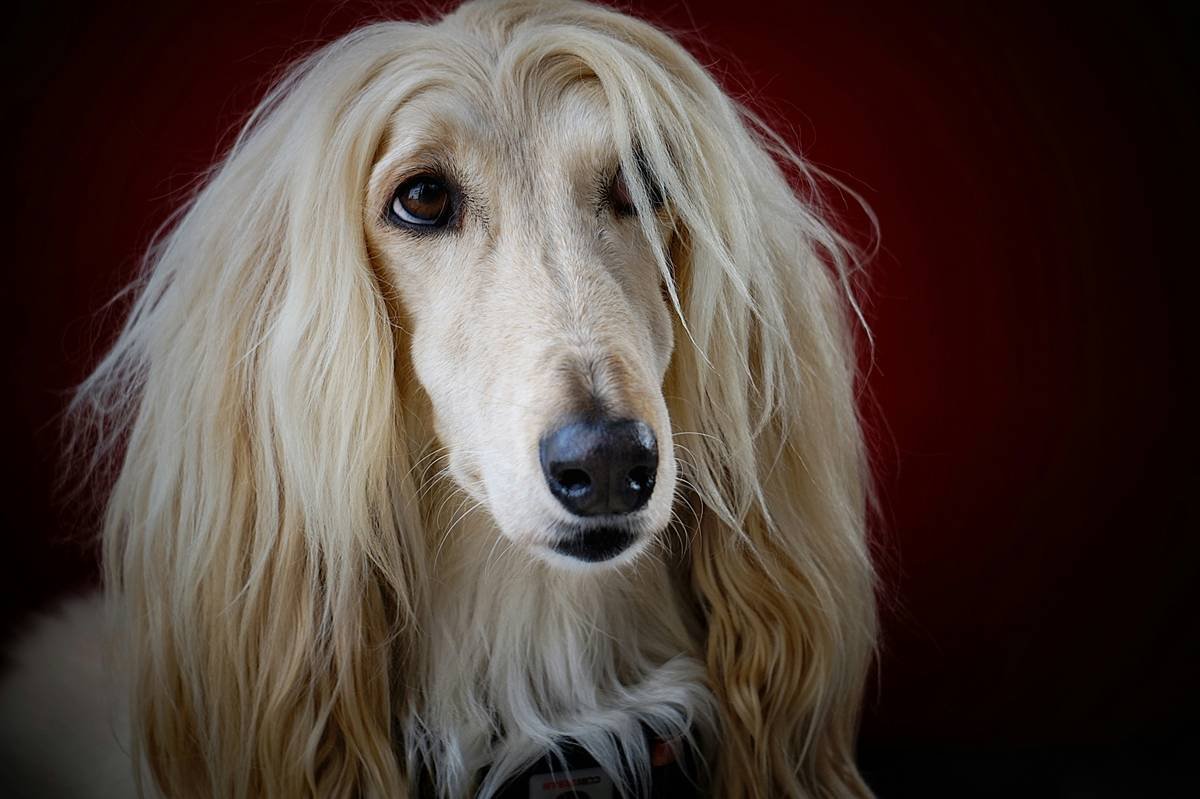
Let’s be real: using “just any dog shampoo” on a long-coated breed is like washing silk in a washing machine set to “heavy duty.” It might get clean—but it’ll pay the price. Long-haired dogs have dense undercoats and fine guard hairs that tangle easily. Their skin also produces less sebum than short-coated breeds, making them prone to dryness.
I learned this the hard way when I adopted Milo, a rescue Shih Tzu with what looked like a dust mop glued to his back. My first bath used a cheap grocery-store shampoo labeled “for all dogs.” Result? Two hours of brushing, three broken combs, and a dog who side-eyed me for a week. Turns out, that formula had sodium lauryl sulfate (SLS)—a harsh surfactant that strips moisture faster than you can say “dematting spray.”
According to Dr. Linda Vogt, DVM and board-certified veterinary dermatologist, “Long-coated breeds require shampoos that maintain the acid mantle of the skin (pH 5.5–7.5). Anything outside that range disrupts the skin barrier, leading to irritation, flaking, and increased matting.” The American Kennel Club (AKC) also emphasizes that breed-specific grooming needs aren’t just cosmetic—they’re health-critical.
How to Choose the Right Shampoo for Long Coat Dogs: A Step-by-Step Guide
What ingredients should I look for in a shampoo for long coat dogs?
Optimist You: “Moisturizing heroes like colloidal oatmeal, aloe vera, and panthenol!”
Grumpy You: “Ugh, fine—but only if it doesn’t smell like a yoga studio exploded.”
Seriously though: these ingredients soothe skin and add slip for easier brushing. Avoid anything with “fragrance,” “parabens,” or “SLS/SLES.” Instead, seek “hypoallergenic,” “pH-balanced,” and “soap-free” on the label.
Should I use conditioner too?
Optimist You: “Absolutely! Conditioner seals the hair cuticle and reduces static.”
Grumpy You: “Only if you promise to rinse it ALL out. Nothing worse than greasy dog butt.”
Use a leave-in or rinse-out conditioner formulated for dogs. Human conditioners are too acidic and can irritate canine skin.
How often should I bathe my long-haired dog?
Bathe every 3–4 weeks max. Over-bathing removes protective oils. Spot-clean dirty paws or rear ends between baths with pet-safe wipes.
5 Non-Negotiable Best Practices When Bathing Long-Haired Breeds
- Brush BEFORE bathing. Water sets mats. Always detangle dry fur first with a slicker brush and metal comb.
- Dilute concentrated shampoos. Most professional groomers mix 1 part shampoo to 10 parts water—gentler on skin and easier to rinse.
- Rinse longer than you think. Residue = itching + tangles. Rinse until water runs completely clear (yes, even behind the ears).
- Use lukewarm water. Hot water dries skin; cold shocks your pup. Ideal temp: 90–100°F.
- Blow-dry on low heat with a pin brush. Towel-drying leaves dampness that breeds mats. Keep the dryer moving to avoid hot spots.
The Terrible Tip You’ll See Everywhere (Don’t Do This)
“Use human conditioner as a detangler!” Nope. Human products have different pH levels and may contain ingredients toxic to dogs (like tea tree oil in high concentrations). Stick to vet-approved pet products.
Real Groomer Case Study: From Matted Mess to Show-Room Ready
Last winter, my friend Lena—a certified master groomer with 12 years’ experience—took in Luna, a 7-year-old Lhasa Apso surrendered with severe matting from neck to tail. Previous owners used dish soap (!) to “clean her cheaply.”
Lena’s protocol:
– Pre-bath brushing with a Matbreaker tool
– Bath 1: Gentle degreasing shampoo (without sulfates)
– Bath 2: Moisturizing shampoo + rinse-out conditioner with silk proteins
– Post-bath blow-dry with a HV dryer and pin brush
After 3 sessions over 2 weeks, Luna’s coat regained its luster. Skin redness vanished. Most importantly? She stopped flinching during brushing.
“The right shampoo isn’t luxury—it’s medical care for the coat,” Lena told me. “Especially for seniors or breeds with genetic predispositions to dry skin.”
FAQs About Shampoo for Long Coat Dogs
Can I use puppy shampoo on my adult long-coated dog?
Only if it’s formulated for long coats. Puppy shampoos are mild but often lack the moisturizers needed for mature long hair.
Is tearless shampoo safe for full-body use?
Yes—but it’s usually less moisturizing. Reserve for face cleaning; use a hydrating formula elsewhere.
My dog has allergies. What shampoo should I use?
Choose a veterinary-recommended hypoallergenic shampoo with hydrocortisone or pramoxine for itch relief (e.g., Douxo S3 Calm or Vet’s Best Allergy Itch Relief). Always consult your vet first.
Are organic shampoos better?
“Organic” isn’t regulated in pet care. Focus on ingredient transparency instead. A non-organic shampoo with proven soothing agents beats a vague “natural” label any day.
Conclusion
Picking the right shampoo for long coat dogs isn’t about fancy packaging—it’s about understanding your pet’s unique skin and coat biology. Avoid harsh sulfates, prioritize pH balance, never skip conditioner, and always brush before bathing. With the right routine, you’ll transform bath time from a wrestling match into a bonding ritual—with a silky, healthy coat as your reward.
Like a Tamagotchi, your dog’s coat needs daily care—not just crisis cleanup. Start with one smart shampoo switch today. Your pup (and your combs) will thank you.
Haiku for the road:
Water warm, brush slow—
Knots dissolve in oatmeal foam.
Silk returns to fur.