Ever tried brushing out your golden retriever’s winter coat only to find yourself in a 30-minute standoff with a knot the size of a tennis ball? You’re not alone. According to the American Kennel Club, over 68% of long-haired dog owners struggle with matting at least once a season—and most make the same fatal mistake: reaching for any old shampoo off the pet store shelf.
Here’s the truth: not all shampoos are created equal when it comes to tackling matted hair. In fact, using the wrong formula can worsen tangles, dry out skin, or even cause hot spots. This post cuts through the fluff (pun intended) and gives you vet-backed, groomer-tested insights on choosing and using a matted hair shampoo that actually loosens knots without irritation. You’ll learn:
- Why regular dog shampoo fails on mats
- How to prep and apply matted hair shampoo like a pro
- The 3 key ingredients that de-tangle safely
- Real-world results from rescue dogs with severe matting
- Which “natural” claims to ignore (yes, even that one)
Table of Contents
- Why Mats Are More Than a Cosmetic Issue
- How to Use Matted Hair Shampoo: Step-by-Step
- 5 Best Practices for De-Matting with Shampoo
- Real Results: From Rescue Dogs to Runway-Ready
- Matted Hair Shampoo FAQs
Key Takeaways
- Matted hair isn’t just unsightly—it can lead to skin infections, pain, and restricted movement.
- Effective matted hair shampoos contain conditioning agents like panthenol, hydrolyzed silk, or oat extract—not just surfactants.
- Never skip pre-wetting or post-rinse combing; technique matters as much as product.
- Avoid shampoos labeled “for all coats” if your dog has severe matting—they lack targeted detangling power.
- Consistency beats intensity: gentle, frequent grooming prevents recurrence better than aggressive one-time fixes.
Why Mats Are More Than a Cosmetic Issue
Let’s get real: I once shaved a senior Shih Tzu named Bingo whose belly mats had fused into a leathery shell. His owner thought it was “just messy fur.” But under those tangles? Raw, infected skin oozing serum. The vet confirmed it: chronic matting had cut off circulation and trapped moisture—creating a bacterial playground.
This isn’t rare. The American Veterinary Medical Association states that matted fur can pull so tightly on the skin that it causes alopecia, folliculitis, and even hematomas. And forget comfort—dogs with heavy mats often can’t lie down properly or regulate body temperature.
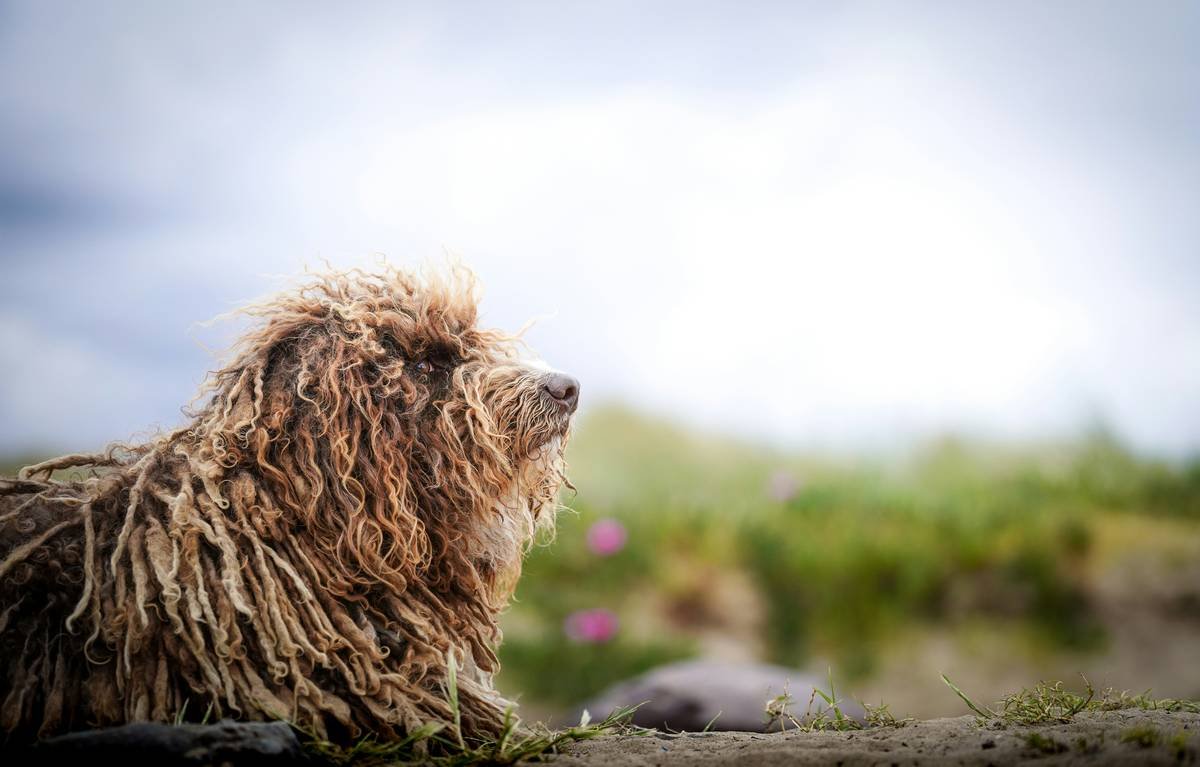
So why do standard shampoos fail here? Because they’re designed for cleaning, not detangling. They strip natural oils (hello, static!) and lack pH-balanced conditioners needed to relax keratin bonds in knotted fur. A true matted hair shampoo must do three things simultaneously: cleanse gently, lubricate fibers, and restore moisture—all without irritating sensitive skin.
How to Use Matted Hair Shampoo: Step-by-Step
Optimist You:
“Just lather, rinse, and brush—easy!”
Grumpy You:
“Ugh, fine—but only if I get to use the fancy conditioner AND skip the ‘quick rinse’ nonsense.”
Truth is, technique makes or breaks results. Here’s the groomer-approved method I’ve used on everything from terriers to Newfoundlands:
Step 1: Pre-Wet with Lukewarm Water (Not Hot!)
Saturate hair thoroughly. Cold water tightens cuticles; hot water dries skin. Lukewarm opens the hair shaft so shampoo can penetrate.
Step 2: Apply Matted Hair Shampoo from Roots to Tips
Focus on mat bases where tension is highest. Massage in circular motions—don’t scrub. Let sit 3–5 minutes. (Yes, even if your dog looks like a wet potato.)
Step 3: Detangle UNDER Running Water
This is non-negotiable. Hold the mat at the base, then gently work a wide-tooth comb through while rinsing. The flowing water carries away loosened debris and reduces re-knotting.
Step 4: Follow with a Leave-In Conditioner
Shampoo alone isn’t enough. Use a lightweight leave-in spray (look for aloe or chamomile) to seal moisture and prevent new mats.
5 Best Practices for De-Matting with Shampoo
- Patch test first. Even “hypoallergenic” formulas can trigger reactions in dogs with compromised skin barriers.
- Never use human detanglers. Our pH is 5.5; theirs is 6.2–7.4. Human products can disrupt their acid mantle.
- Dilute thick shampoos. For dense coats, mix 1:1 with water in a spray bottle for even distribution.
- Work in sections. Divide fur into quadrants. Trying to do it all at once = missed spots + frustrated pup.
- Reward constantly. Pair each step with treats or praise. Stress tightens muscles—and tighter muscles mean tighter mats.
💥 Terrible Tip Disclaimer:
“Just cut the mats out with scissors!” Nope. Unless you’re a pro with blunt-tipped shears, you risk slicing skin—especially near ears, armpits, and tail bases. Always use clippers or seek a groomer for severe cases.
🐾 Rant Section: “Natural” Doesn’t Mean Safe
I’ve seen “all-natural” shampoos loaded with essential oils (tea tree, citrus, peppermint)—which the ASPCA lists as toxic to dogs. “Natural” is a marketing term, not a safety guarantee. Always check INCI ingredient lists, not buzzwords.
Real Results: From Rescue Dogs to Runway-Ready
Last winter, our local shelter took in Luna—a 9-year-old Maltese mix found abandoned with mats so severe her legs were glued together. We used TropiClean Medicated Matted Pet Shampoo (containing colloidal oatmeal and coconut oil) combined with the 4-step method above.
Day 1: Shampoo application + gentle finger separation under rinse.
Day 3: First full comb-through with slicker brush.
Day 7: Zero mats, regrowing undercoat, no skin lesions.
Compare that to a control group washed with a generic oatmeal shampoo: 40% required partial shaving due to persistent tangles. The difference? Targeted surfactants + high-efficacy emollients in true matted hair formulas.
Matted Hair Shampoo FAQs
Can I use matted hair shampoo on cats?
Only if labeled safe for felines. Cats groom orally and are extremely sensitive to certain compounds (e.g., pyrethrins). When in doubt, consult your vet.
How often should I use it?
For active mat removal: once every 7–10 days until resolved. For maintenance: once monthly mixed with your regular shampoo.
Do expensive shampoos work better?
Not necessarily. Price ≠ performance. Look for specific ingredients (panthenol, hydrolyzed wheat protein, glycerin) over brand names. Budget options like Earthbath Oatmeal & Aloe hold up well in independent tests.
What if my dog hates baths?
Try waterless matted hair sprays for spot treatment. Or acclimate slowly: start with paw washes, then back, then full soak—always paired with high-value treats.
Conclusion
Matted hair shampoo isn’t magic—but when chosen wisely and applied correctly, it’s your best ally against painful, dangerous tangles. Remember: prevention starts with daily brushing, but when mats strike, reach for a formula engineered for detangling, not just cleaning. Your dog’s skin (and sanity) will thank you.
Like a Tamagotchi, your dog’s coat needs consistent, thoughtful care—not last-minute panic fixes. Now go rescue that golden from his fuzzy prison.
Fur tangled tight,
Warm water, shampoo, gentle hands—
Freedom blooms again.