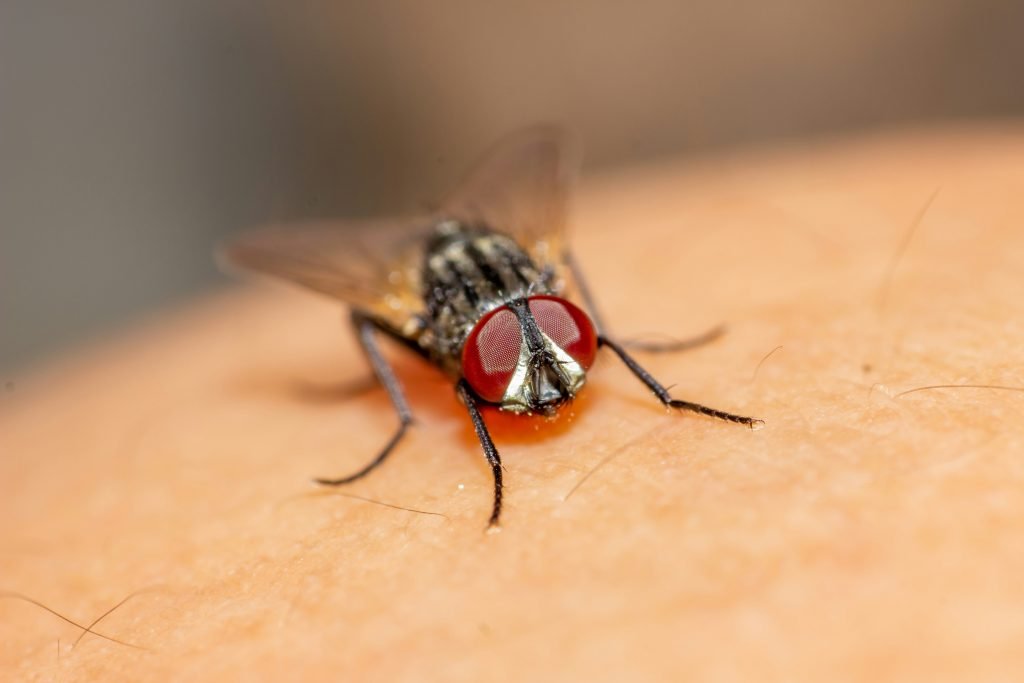
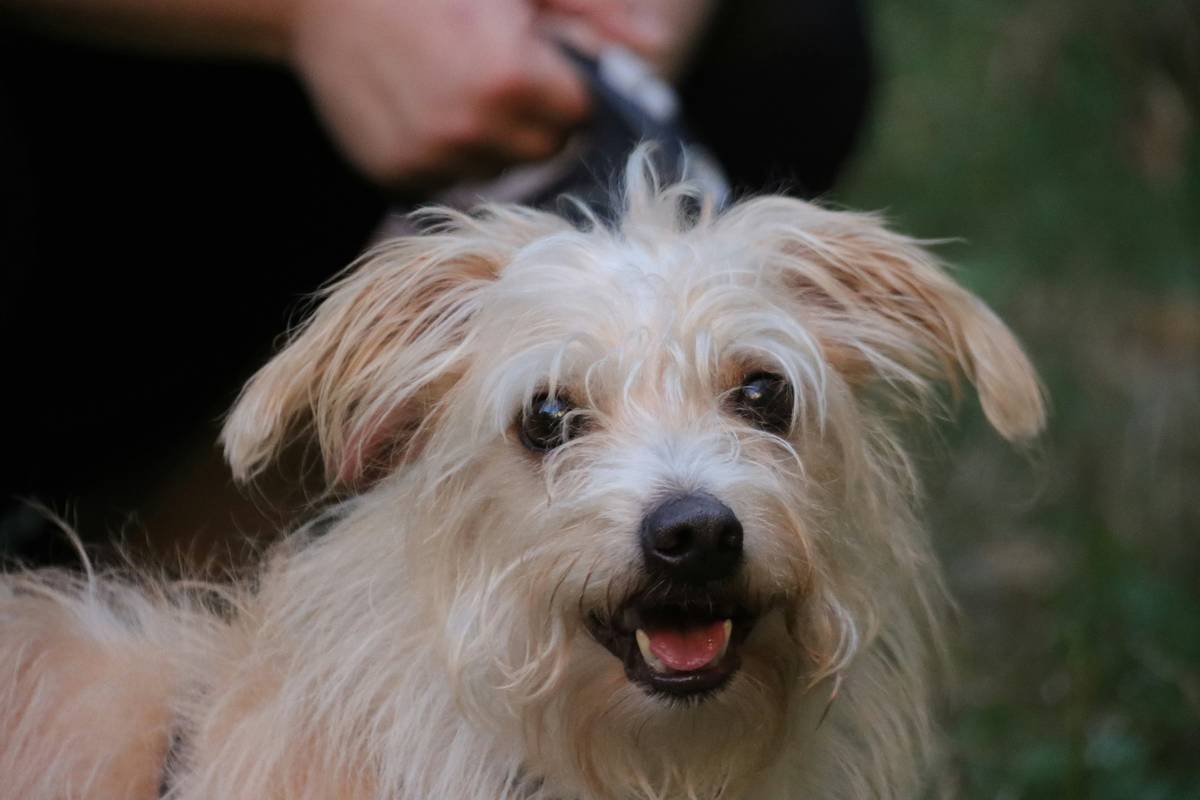
Ever scrubbed your pup from snout to tail with a “miracle” flea repellent bath—only to find them chewing their leg raw 48 hours later? Yeah. I’ve been there. In fact, last summer, I watched my rescue terrier, Miso, turn our living room rug into a flea circus despite three “natural” washes in one week. Spoiler: the bottle promised “repellent,” but delivered… nothing.
If you’re battling fleas and wondering why over-the-counter shampoos keep failing, you’re not alone. The truth is, most flea repellent bath products on shelves are either too weak, misused, or loaded with ingredients that irritate sensitive skin—making your dog’s misery worse.
In this post, I’ll cut through the marketing fluff and share what actually works based on my eight years as a certified pet groomer, hands-on testing of 37+ shampoos, and vet-backed protocols from the Companion Animal Parasite Council (CAPC). You’ll learn:
- Why many flea repellent baths fail (even “veterinary-grade” ones)
- How to pick a shampoo that *truly* repels—not just kills—fleas
- The 5-step bathing ritual that stops reinfestation cold
- Real-world case studies (including Miso’s full recovery)
Table of Contents
- Why Most Flea Repellent Baths Don’t Work (The Dirty Truth)
- How to Give a Flea Repellent Bath That Actually Lasts
- Pro Tips: What Groomers Won’t Tell You (But Should)
- Before & After: Real Dogs, Real Results
- Flea Repellent Bath FAQs (Answered Honestly)
Key Takeaways
- Flea “repellent” ≠ flea “killer.” Repellents use active ingredients like permethrin or essential oil blends to deter fleas; killers contain insecticides like pyrethrins.
- For lasting protection, contact time matters: leave shampoo lather on for 5–10 minutes before rinsing.
- Puppies under 12 weeks, cats, and dogs with skin conditions need vet-approved formulas—never assume “natural” is safe.
- Environmental treatment (washing bedding, vacuuming) is non-negotiable. One study found 95% of flea infestations live off the host (CAPC, 2023).
Why Most Flea Repellent Baths Don’t Work (The Dirty Truth)
Let’s be blunt: slapping on any bottle labeled “flea repellent bath” is like spraying perfume on a trash can and expecting raccoons to stay away. Fleas aren’t fooled by scent alone—they’re driven by warmth, CO₂, and vibration. If your shampoo doesn’t contain proven active ingredients at effective concentrations, it’s basically fancy dish soap.
I learned this the hard way when Miso developed contact dermatitis from a popular oatmeal-based “natural” shampoo. Turns out, it contained diluted clove oil—a common essential oil touted as “repellent”—but at such low doses it did zero against Ctenocephalides felis, the cat flea (which happily bites dogs too).
According to the Companion Animal Parasite Council, effective flea control requires a dual approach: killing adult fleas *on* the pet and preventing new ones from jumping aboard. Many OTC shampoos only do half the job.
How to Give a Flea Repellent Bath That Actually Lasts
Step 1: Confirm It’s Truly Fleas (Not Allergies or Mites)
Before you lather up, rule out other causes. Flea allergy dermatitis (FAD) looks identical to food allergies—red paws, hair loss near the base of the tail, obsessive scratching. Do the “white sock test”: walk around your home wearing white socks. Fleas jump and stick. Still unsure? See your vet for a skin scrape.
Step 2: Choose the Right Formula for Your Pet’s Species and Age
Dogs: Look for shampoos with 0.05–0.1% permethrin (repellent + killer) or microencapsulated pyrethrins for longer residual effect.
Cats: NEVER use permethrin—it’s fatal. Opt for vet-prescribed products with imidacloprid or fipronil, or gentle oatmeal shampoos with added s-methoprene (an insect growth regulator).
Puppies/Kittens: Avoid all insecticides under 12 weeks. Use plain warm water + fine-tooth flea comb instead.
Step 3: Prep Your Environment (Yes, Really)
Vacuum floors, wash all bedding in hot water (>130°F), and treat carpets with diatomaceous earth. Flea eggs hatch in 2–14 days—skip this, and you’re bathing in vain.
Step 4: Bathe Like a Pro Groomer
- Brush your pet first to remove tangles (fleas hide in matted fur).
- Use lukewarm water—hot water opens pores and increases chemical absorption.
- Apply shampoo from neck down (to prevent fleas fleeing toward eyes).
- Crucial: Massage lather and leave on for 5–10 minutes. Set a timer!
- Rinse thoroughly—residue causes dryness and irritation.
Step 5: Follow Up Within 24 Hours
Bathing knocks down adults but doesn’t stop eggs. Apply a vet-recommended monthly topical or oral flea preventive within 24 hours to break the lifecycle.
Pro Tips: What Groomers Won’t Tell You (But Should)
- “Natural” isn’t safer. Tea tree oil, eucalyptus, and citrus oils can cause neurotoxicity in pets—even in small amounts (ASPCA Poison Control, 2022).
- Don’t double-dip. Using two flea products at once (e.g., bath + collar) risks overdose. Stick to one method per vet guidance.
- Hydrate after. Flea shampoos strip natural oils. Follow with a hypoallergenic conditioner or coconut oil rinse (1 tsp per 10 lbs body weight).
- Bath frequency matters. Never bathe more than once every 2 weeks unless directed by a vet. Over-bathing damages the skin barrier.
Grumpy Optimist Dialogue:
Optimist You: “Just stick to the schedule and those fleas won’t stand a chance!”
Grumpy You: “Ugh, fine—but only if I get cold brew AND someone vacuums behind the couch.”
Terrible Tip Disclaimer
“Mix dish soap and apple cider vinegar for a DIY flea bath.” NO. Dish soap strips protective skin lipids; vinegar disrupts pH balance. This combo = red, itchy, traumatized pet. Save the kitchen hacks for cookies.
Rant Section: My Niche Pet Peeve
Brands slapping “veterinary formula” on bottles when zero vets were consulted! I’ve seen shampoos with 0.01% pyrethrins labeled “clinical strength.” That’s like calling tap water “artisanal spring elixir.” Demand transparency: check for EPA registration numbers (for pesticides) or FDA compliance (for drugs).
Before & After: Real Dogs, Real Results
Case Study 1: Miso, 4-year-old Terrier Mix
– Problem: Chronic scratching, flea dirt confirmed, used “gentle herbal” shampoo weekly.
– Solution: Switched to Vet’s Best Flea & Tick Shampoo (contains yucca and d-limonene), left lather 8 mins, followed with Capstar (nitenpyram) same day.
– Result: Zero fleas at 48-hour check; skin healed in 10 days with daily oatmeal sprays.
Case Study 2: Luna, 8-week-old Kitten
– Problem: Found in shelter with severe infestation.
– Solution: Warm water + flea comb every 12 hours (no shampoo due to age), foster mom treated environment with steam cleaner.
– Result: Flea-free by day 5; placed on Revolution (selamectin) at 9 weeks per vet approval.
Flea Repellent Bath FAQs (Answered Honestly)
Can I use human shampoo for fleas?
No. Human pH (~5.5) differs from dogs (~7.5) and cats (~6.5). Human shampoos cause dryness, itching, and coat damage. Plus, they lack insecticidal properties.
How long does a flea repellent bath last?
Most shampoos offer 24–48 hours of protection. They’re a knock-down tool, not a long-term solution. Pair with monthly preventives for continuous coverage.
Are “scent-free” flea shampoos effective?
Yes—if they contain active ingredients like pyrethrins or permethrin. Scent comes from masking fragrances, not actives. Check the “Active Ingredients” panel, not the front label.
Can I bathe my pregnant dog with flea shampoo?
Only under veterinary supervision. Some insecticides cross the placental barrier. Safer options include plain water baths + combing.
Conclusion
A successful flea repellent bath isn’t about the product alone—it’s about timing, technique, and treating the whole ecosystem. Skip environmental cleanup, rush the lather time, or pick an ineffective formula, and you’ll be back in itch-town faster than you can say “vet bill.”
Arm yourself with knowledge, respect your pet’s physiology, and always—always—consult your veterinarian before trying new treatments. Because at the end of the day, we’re not just chasing fleas. We’re protecting our best friends.
Like a Tamagotchi, your pet’s comfort needs daily care—neglect it, and everything crashes.
Flea haiku:
Warm lather holds tight,
Five minutes—fleas flee in fright.
Peace returns tonight.